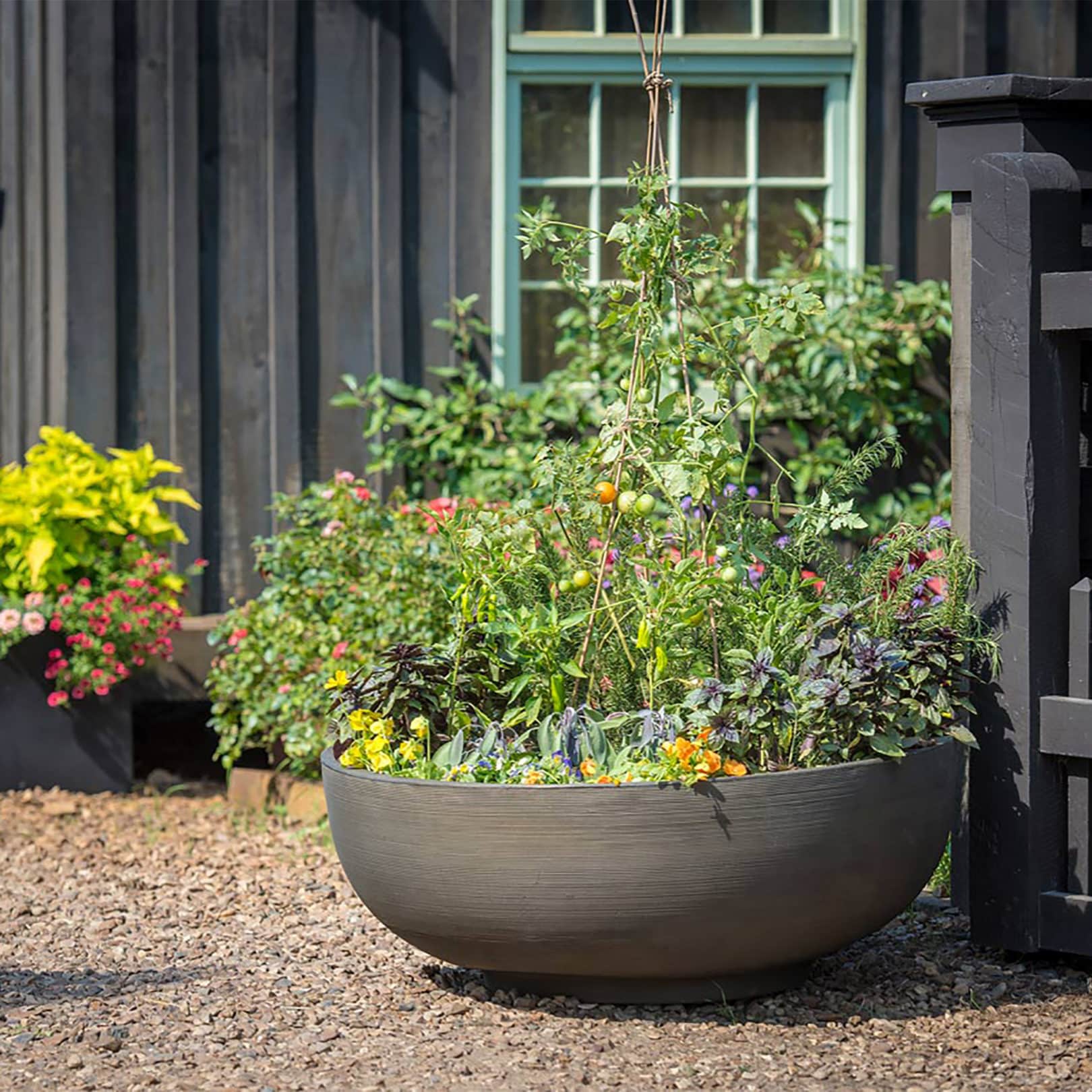
Container gardening isn’t just for patios filled with petunias and geraniums. With the right selection of North American native plants, your porch, balcony, deck, or small backyard can become a thriving habitat for bees, butterflies, hummingbirds, and other beneficial insects.
My personal garden is filled with native plants, and while I love a good petunia for a splash of drama, I bring those native plants up into my containers, too. And the wildlife comes in close for the feast! There is nothing more thrilling than to be reading a book on my deck surrounded by visiting bumblebees or hummingbirds!
Native plants have evolved alongside native pollinators for thousands of years, making them one of the most valuable food sources you can provide. Honestly, I think of my garden as a fabulous brunch buffet – and my container plantings are dessert.
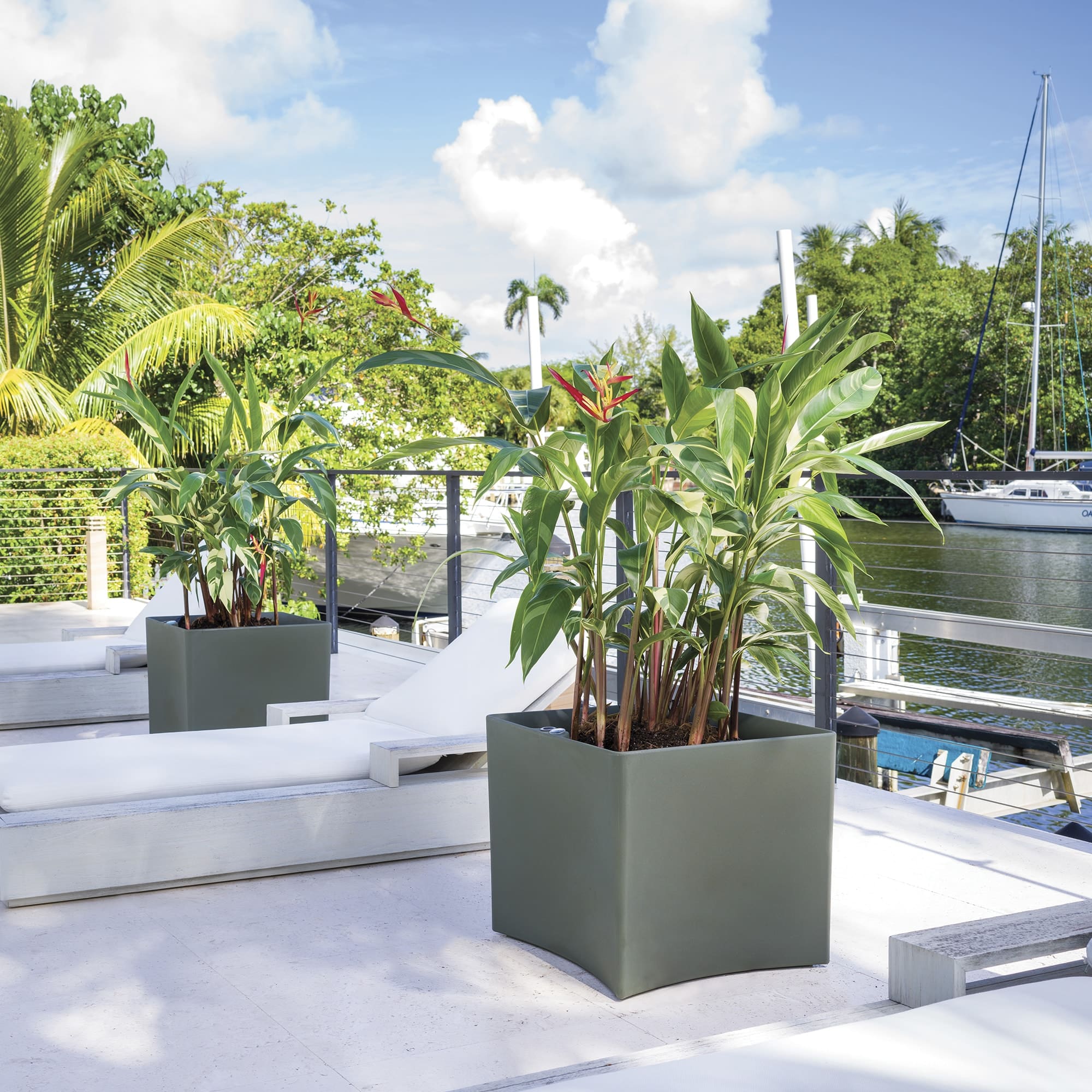
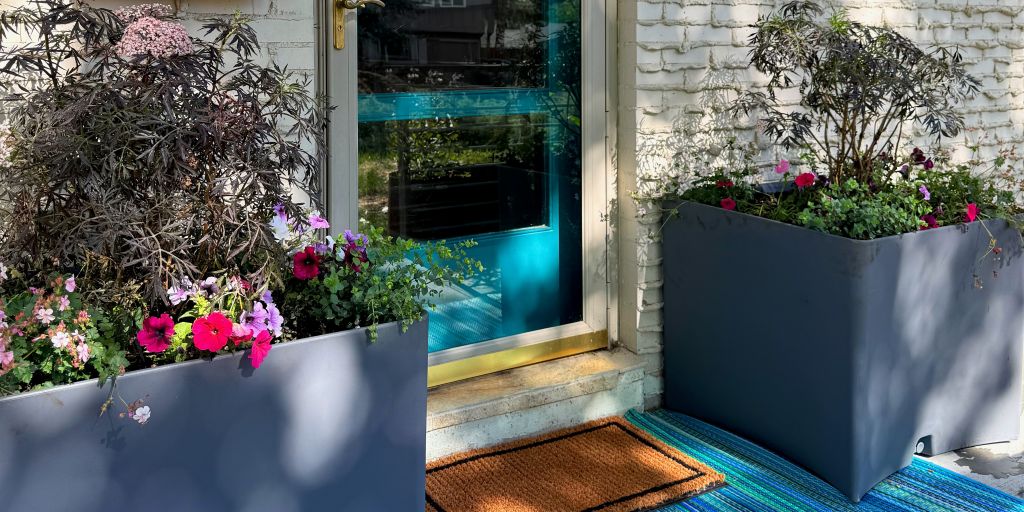
Even a few well-chosen containers can offer nectar, pollen, and host plants that support wildlife throughout the growing season. My favorite: the Pinch pot from Crescent Garden. They are… voluminous (that’s the best word) as well as self-watering. And my plants THRIVE! I have them both on my back deck and on my front porch.
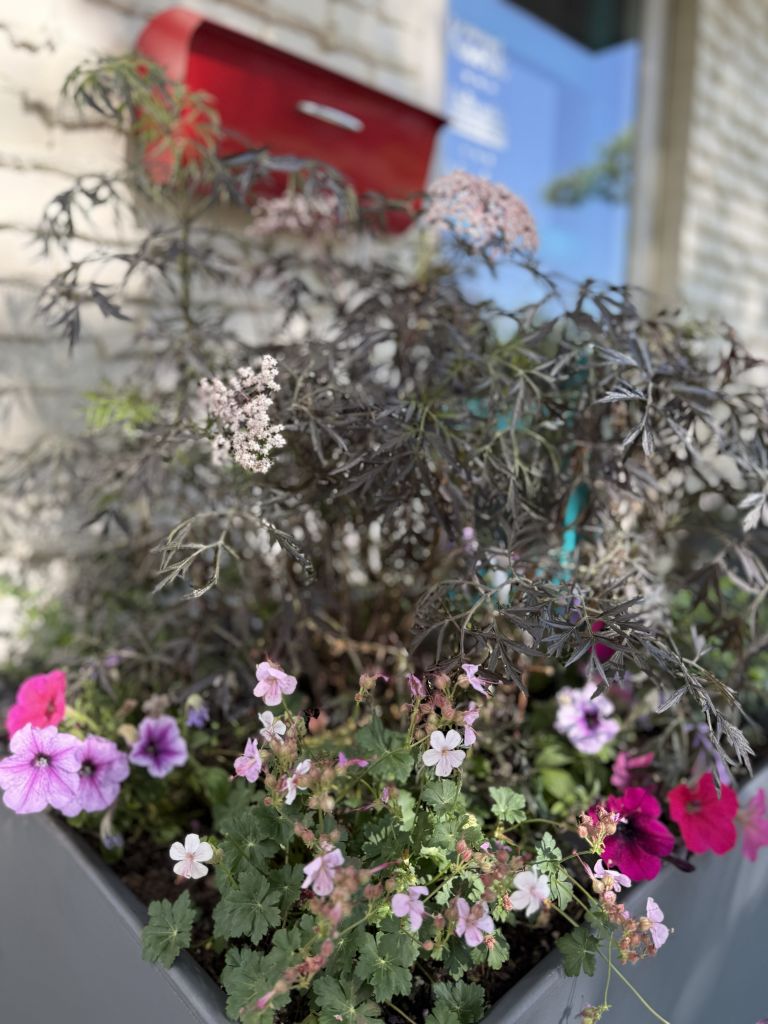
American Elderberry, Cranesbill, and petunias bringing all of the color to the Pinch pots on my front porch this year.
Not every native North American plant, however, thrives in a pot. Many prairie plants, for example, have evolved with very deep root systems. Their growth habit may mean that they don’t show off until year 2 or 3 – which can be a bit harder in a container garden if you have true winter. And their roots may get bigger than any container garden can handle.
However, I have gathered 25 North American native plants that thrive in containers, organized by growing conditions—from drought-tolerant prairie flowers to moisture-loving woodland species. I have included other important information including which USDA hardiness zones they grow in, what pollinators they support, and tips for keeping container-grown natives healthy year after year.
Rather than organizing these plants by zones, I organized them by growing conditions. Again, container gardening is different! And while you might live in Zone 4, you also could be growing in a coastal setting OR in rural Minnesota OR in Montana – very different growing conditions indeed.
The list I have compiled here is just a start. At the end of this post, I have links to several other places where you can get great lists of native plants for your area.
Ok. Let’s get started!
What’s different about growing native plants in containers?
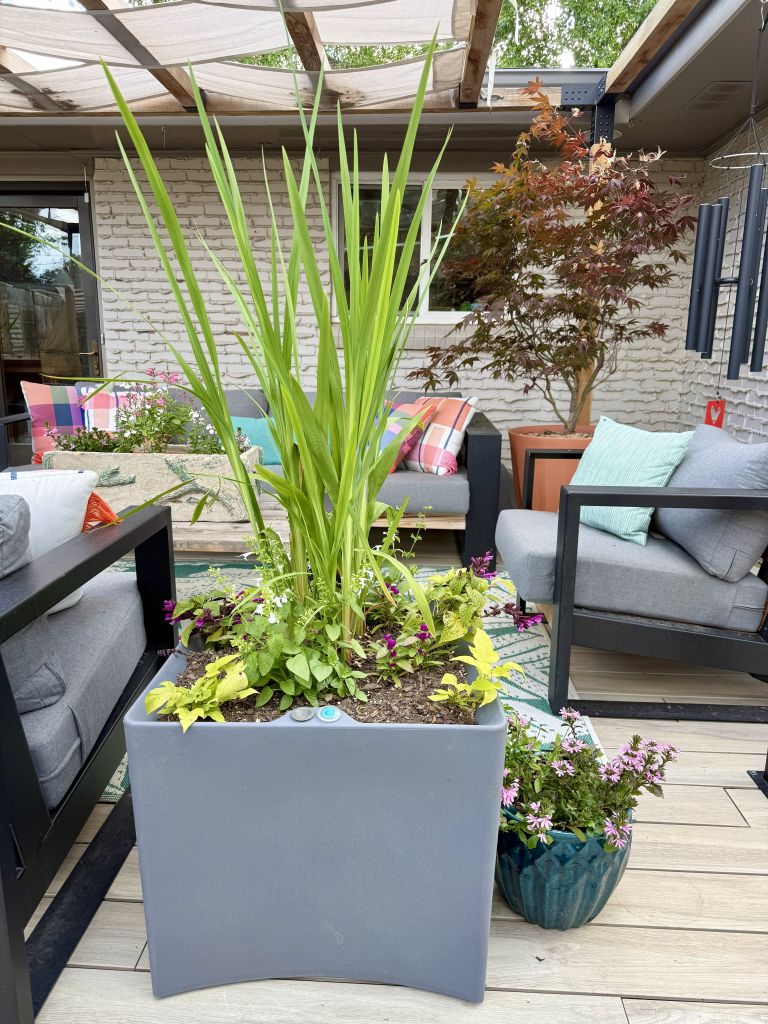
While Crocosmia is a South African plant, I underplanted it with several native Salvia varieties. Mixing natives with non-natives makes for a fabulous combination.
Before we start, let’s talk about container gardening. It’s not the same as growing a plant in the ground. And some plants that will thrive in your landscape will whither in your containers just a few yards away. There are a few big reasons for that:
- Reflected Heat: the hard surfaces of a patio, a deck, or a porch can be much hotter than the permeable surfaces of your garden. This reflected heat can, in some cases, fry your plant’s leaves.
- Reflected Light: the same is true with plants near windows or reflective surfaces. Reflected light can also damage plants with its intensity.
- Moisture Loss: a container, by design, has a much smaller soil volume than a garden bed. That smaller soil volume means that the plant needs watering more often – unless you are using a TruDrop or other self-watering container, of course.
- Root Depth: many containers are quite shallow. But many native plants have deep root systems. So providing the extra-deep soil that plants need may be impossible.
All of these conditions may mean that plants you would normally grow in your landscape may not do as well in a container – or vice versa. So experiment! And if the plant doesn’t love the container, plant it out into your landscape. There are no wrong answers here!
Keystone Plants for Almost Any Location
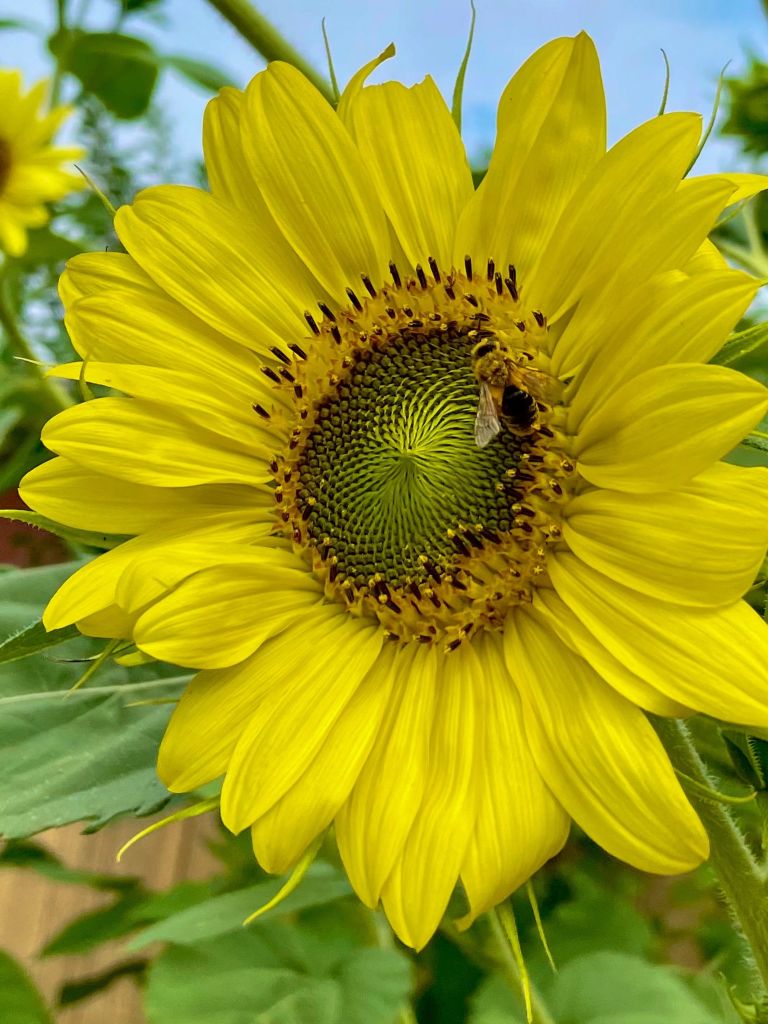
Sunflowers can be grown in pots as well as in the landscape. The bees love them no matter where they bloom!
When thinking about helping pollinators, insects, and birds, there are a few keystone plants that almost anyone in North America can grow in containers:
- Solidago | Goldenrod
- Helianthus | Sunflowers
- Rudbeckia | Black-Eyed Susans
- Achillea | Yarrow
- Symphyotrichum | North American Asters
- Asclepias | Milkweed
North America is a BIG continent, and there are plants in each of these genera across the continent. Finding species which are native to your area is the best bet for helping your native populations.
Native Container Plants for Dry Conditions
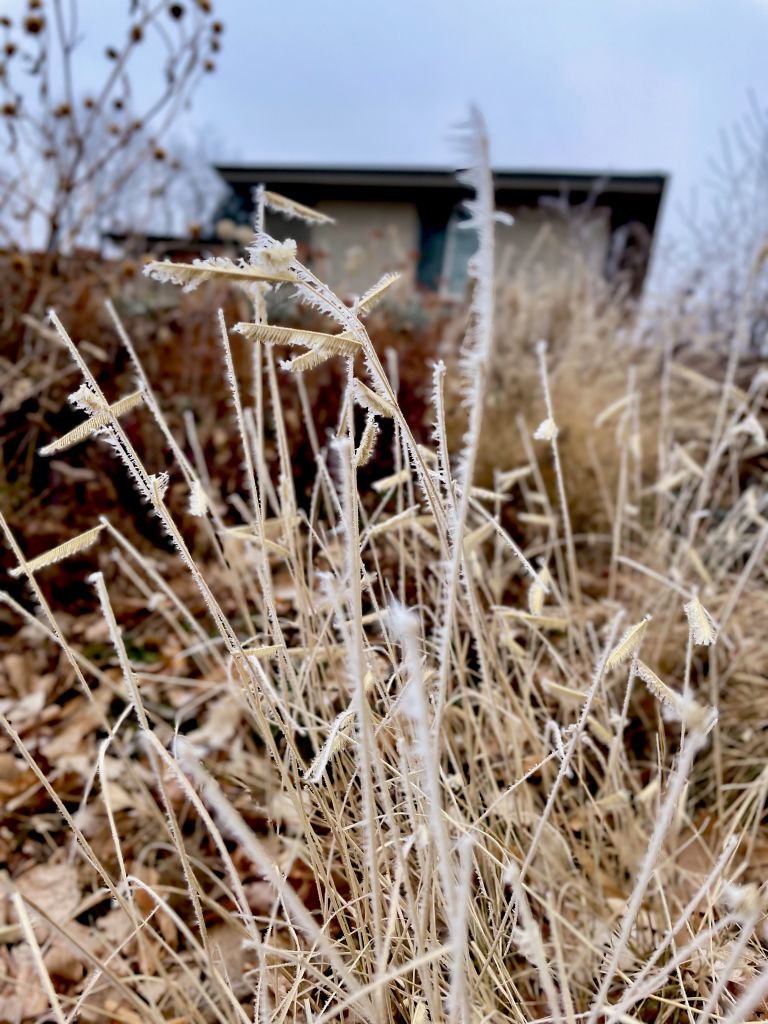
We sometimes forget to think about winter interest, but Blue Grama Grass is gorgeous in the winter — especially after a frost!
These prairie and grassland natives thrive in well-drained soil and full sun. They’re ideal for rooftop gardens, gravel patios, and other locations where containers tend to dry quickly.
- American Elderberry (Sambucus nigra ssp. canadensis)
- Butterfly Milkweed (Asclepias tuberosa)
- Mexican Hat (Ratibida columnifera)
- Purple Prairie Clover (Dalea purpurea)
- Blanket Flower (Gaillardia aristata)
- Blue Grama Grass (Bouteloua gracilis)
- Lanceleaf Coreopsis (Coreopsis lanceolata)
- Cosmos (Cosmos bipinnatus)
- Serviceberry (Amelanchier canadensis)
Native Container Plants for Humid Conditions
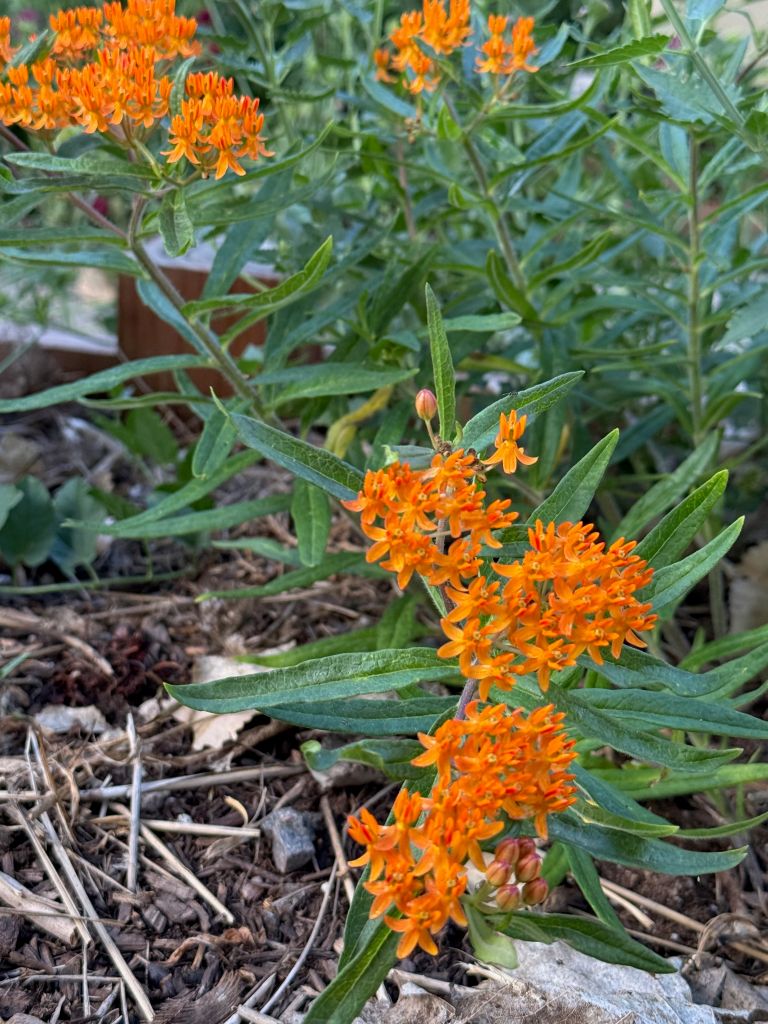
You can help Monarch Butterflies by planting native Milkweed varieties in containers, even if you don’t have a big garden.
Many North American native plants naturally grow in woodland edges, streambanks, meadows, and moist prairies. These species flourish in containers that receive consistent moisture and rich, well-draining potting soil. They’re excellent choices for gardens in the Southeast, Midwest, Mid-Atlantic, and other regions with regular summer rainfall.
- Cardinal Flower (Lobelia cardinalis)
- Great Blue Lobelia (Lobelia siphilitica)
- Blue Mistflower (Conoclinium coelestinum)
- Obedient Plant (Physostegia virginiana)
- Blue Vervain (Verbena hastata)
- Swamp Milkweed (Asclepias incarnata)
- Joe-Pye Weed (Eutrochium purpureum or dwarf cultivars of native species)
Native Container Plants for Tropical & Warm Climates
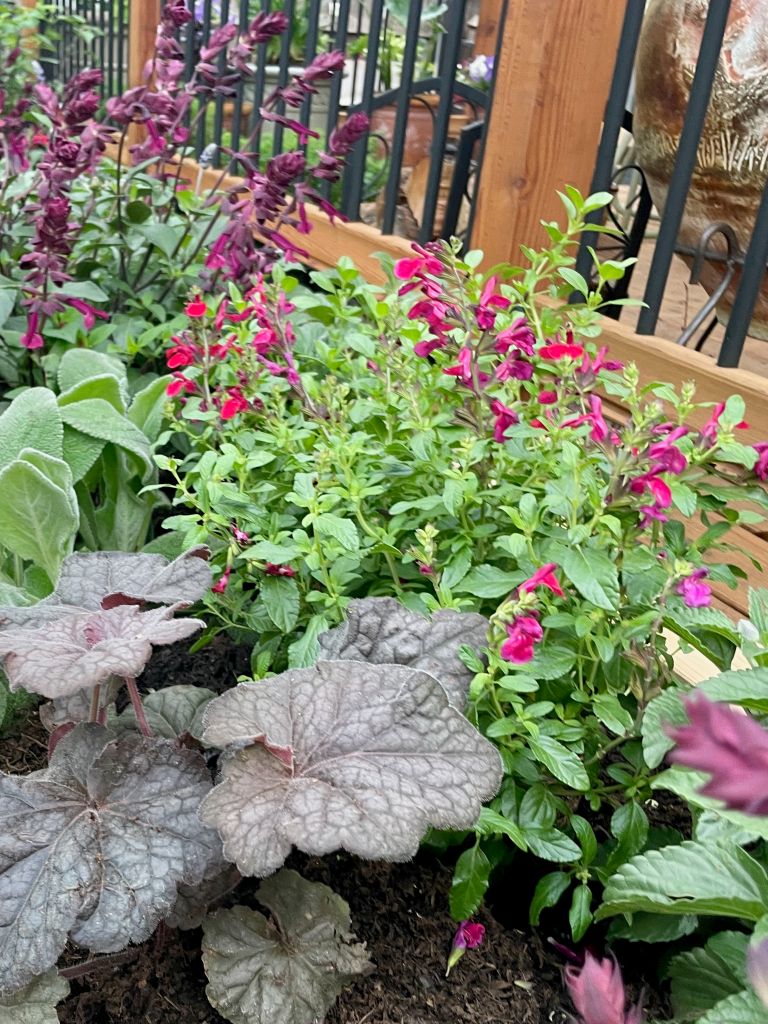
Scarlet Sage is one of my favorite Salvias, but honestly, I love almost every Salvia variety!
Gardeners in the southern United States and frost-free regions have an incredible selection of native plants that flourish in containers while supporting hummingbirds, butterflies, native bees, and other pollinators. Many of these species bloom for months, making them ideal for patios, balconies, and poolside gardens where long-lasting color is desired.
Even in colder climates, many warm-region natives can be grown as seasonal container plants or overwintered indoors.
- Scarlet Sage (Salvia coccinea)
- Firebush (Hamelia patens)
- Coral Honeysuckle (Lonicera sempervirens)
- Golden Canna (Canna flaccida)
- Blue Porterweed (Stachytarpheta jamaicensis)
- Scarlet Beebalm (Monarda didyma)
- Mexican Sunflower (Tithonia rotundifolia)
Native Container Plants for Coastal Conditions
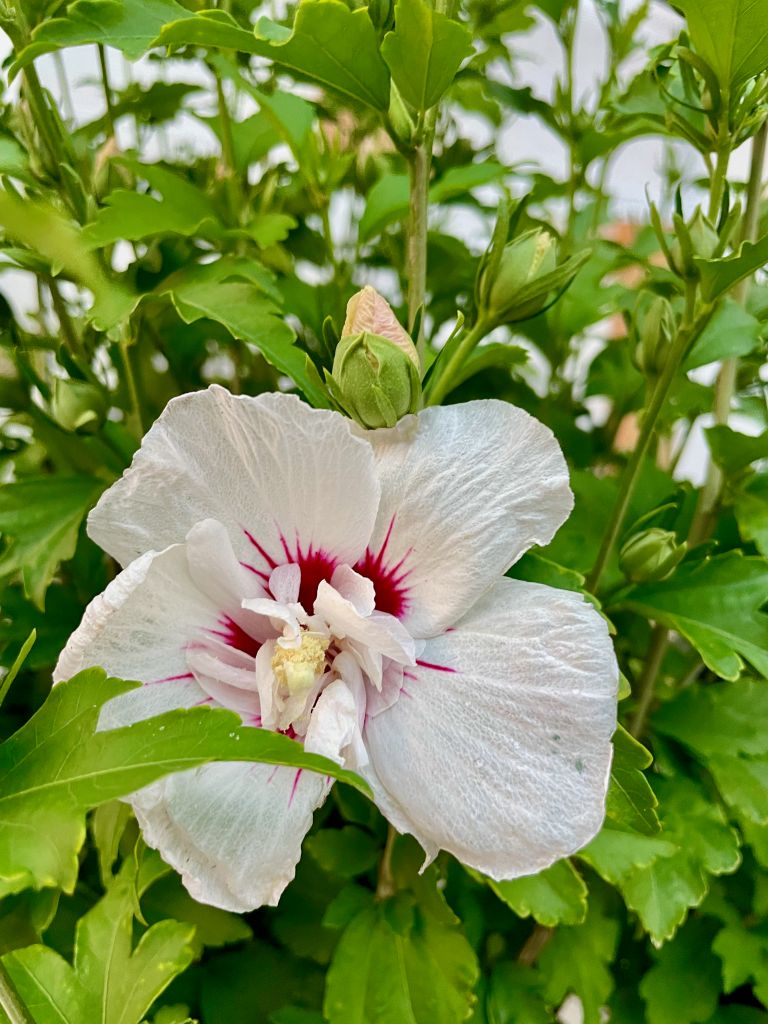
Hibiscus is a surprisingly versatile plant. There are varieties that will thrive even down to Zone 3! And they still bring that beachy vibe!
Coastal gardens present unique challenges, including sandy soil, drying winds, salt spray, and intense sun. Fortunately, many North American native plants are naturally adapted to these conditions and perform beautifully in containers. Large pots allow gardeners to grow these resilient species on decks, balconies, patios, and beachfront landscapes while providing valuable food for pollinators.
- Seaside Goldenrod (Solidago sempervirens)
- Beach Sunflower (Helianthus debilis)
- Scarlet Rose Mallow (Hibiscus coccineus)
How to Grow Native Pollinator Plants Successfully in Containers
Once you have made some good selections, growing native plants in containers isn’t difficult, but a few simple practices will help them thrive for longer.
Choose Larger Containers: Most native perennials develop extensive root systems. Containers at least 14–18 inches wide and deep provide better moisture retention and improve winter survival.
Use a Quality Peaty-free Potting Mix: Avoid heavy garden soil. Instead, use a high-quality peat-free potting mix with compost and adjust it based on the plant’s needs:
- Prairie plants: Add coarse sand or fine gravel for drainage.
- Woodland and moisture-loving plants: Add compost or pine bark to improve water retention.
Water Deeply: Container plants dry much faster than plants growing in the ground. As a general rule:
- Prairie plants: Allow the soil surface to dry between waterings.
- Woodland and wetland plants: Keep soil consistently moist but not soggy.
Skip Heavy Fertilizer: Many (but not all) native plants evolved in relatively low-fertility soils. Excess fertilizer often produces lush foliage with fewer flowers, reducing their value to pollinators.
Leave Seed Heads Through Winter
- Resist cutting plants back in autumn.
- Seed heads provide food for birds, while hollow stems and dried foliage offer nesting and overwintering habitat for native bees and beneficial insects.
- Wait until spring to remove dead stems.
Bonus: Add a Water Source for Wildlife
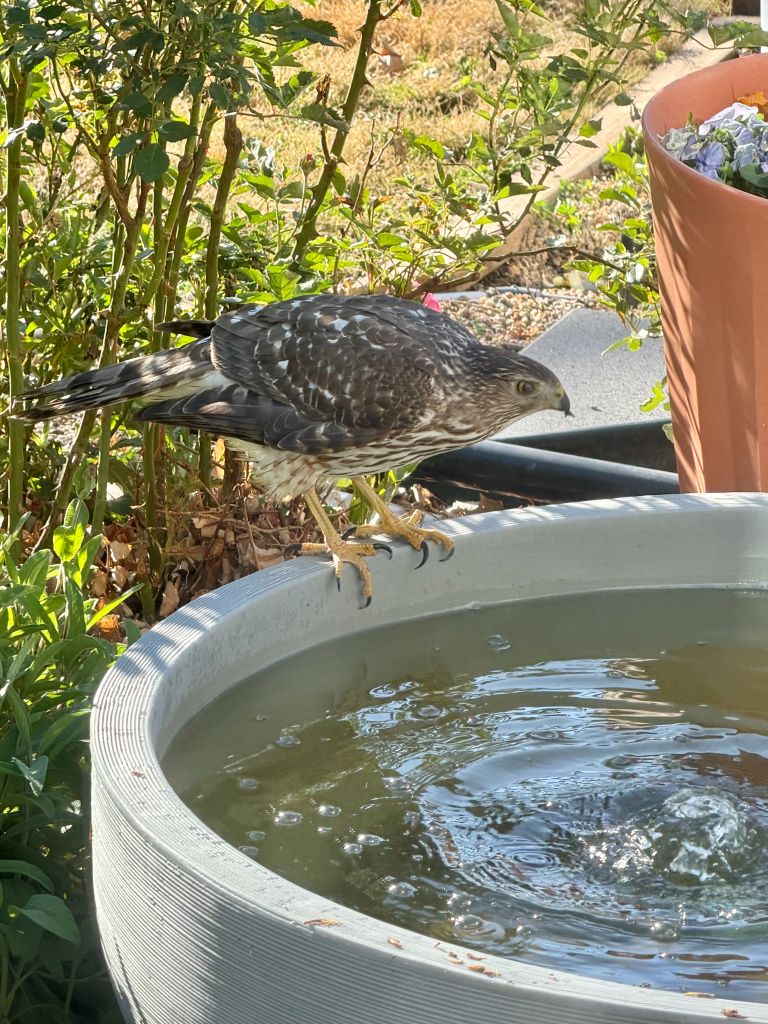
One of our neighboring Cooper’s Hawks enjoying a drink and a bath on the edge of my Orinoco planter/fountain.
When you’re planting native plants, wildlife will show up. You are planting a buffet for them, afterall. And here’s another great way to support them: add a water source. One of the most popular in my garden is a fountain made from an Orinoco planter. The planter just so happens to be designed to double as a fountain. I just added a cheap pump. And the birds have flocked to my new fountain! It is popular with birds large and small including a nesting pair of Cooper’s Hawks who live in a neighbor’s tree. Just add water and see what happens – you might want some wildlife cameras.
Tips for Overwintering Perennials in Containers
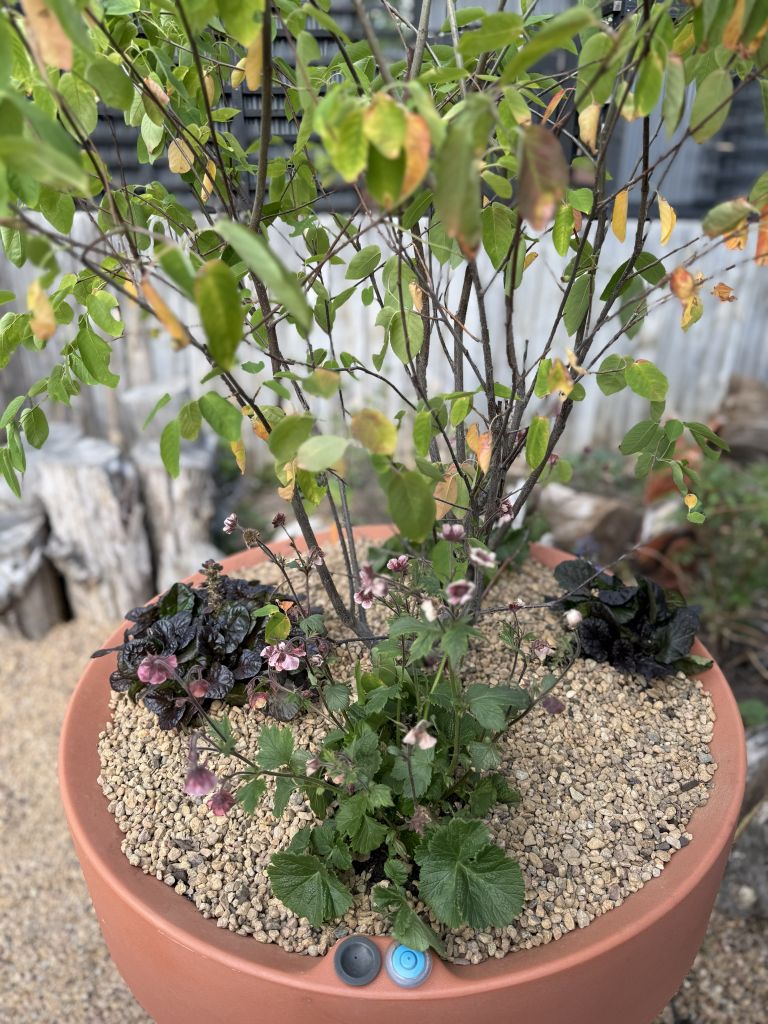
An amelanchier underplanted with Geum in a Rim pot. Perfection!
If you live in a climate with frost and freezes, there are several things you can do to protect your containers over the winter:
- Choose Plants for a Lower Zone: when I am overwintering plants, I choose plants at least two zones lower than my own. I am in Zone 5|6, so I choose plants for Zone 3 if they will overwinter in containers.
- Move Containers into a Garage: once the plants have gone dormant, just move the entire container into a garage for the winter. Water once or twice per month.
- Move Containers to a West-facing Spot: if a garage isn’t available, a west-facing position may be your best bet for overwintering your perennials. They will get the most warmth and sunlight. Just be sure they are also getting enough moisture and/or enough drainage. You may need to water them over the winter.
- Plant out into the Landscape: some plants will simply overwinter more successfully in your beds, so once frost has come, take them out of your containers, and plant them out into the landscape. You can even put them back into containers in the spring, if you like!
My Favorite Containers from Crescent Garden
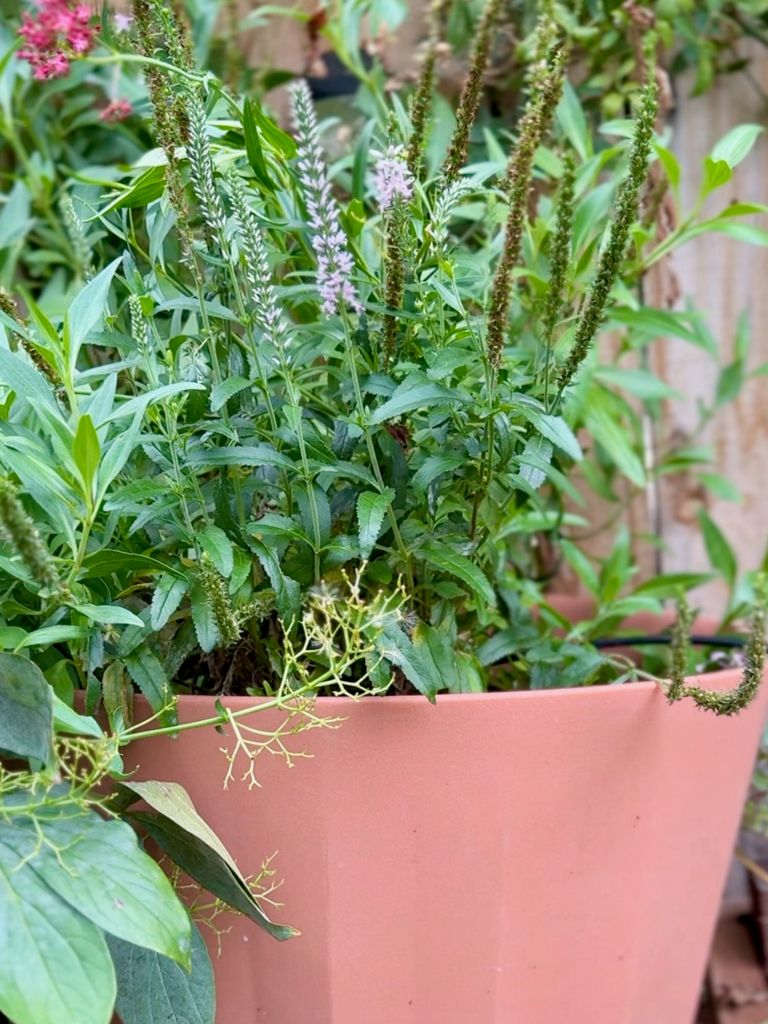
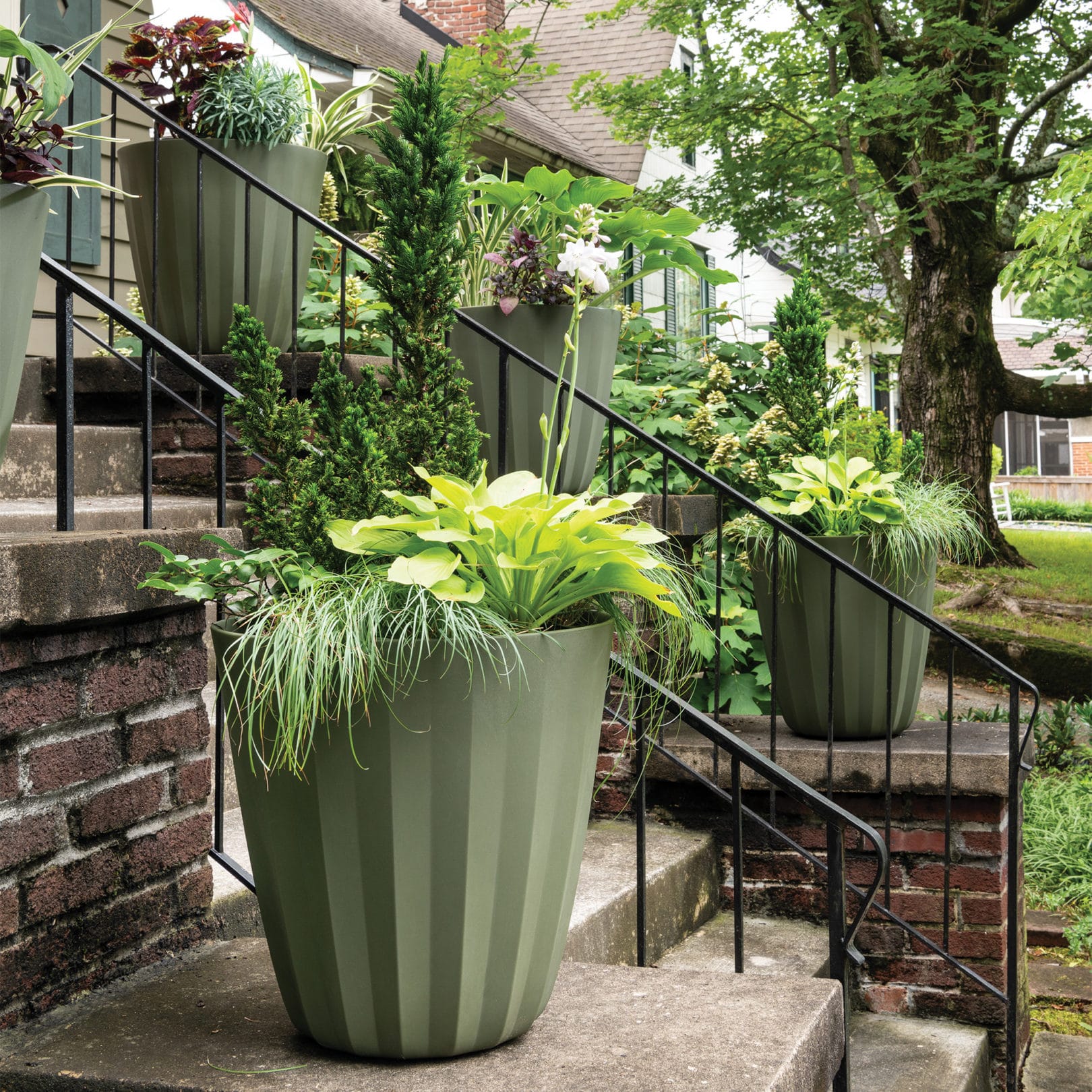
My Pleat pots sit outside year-round, and they still look as good as they did the day I bought them more than six years ago!
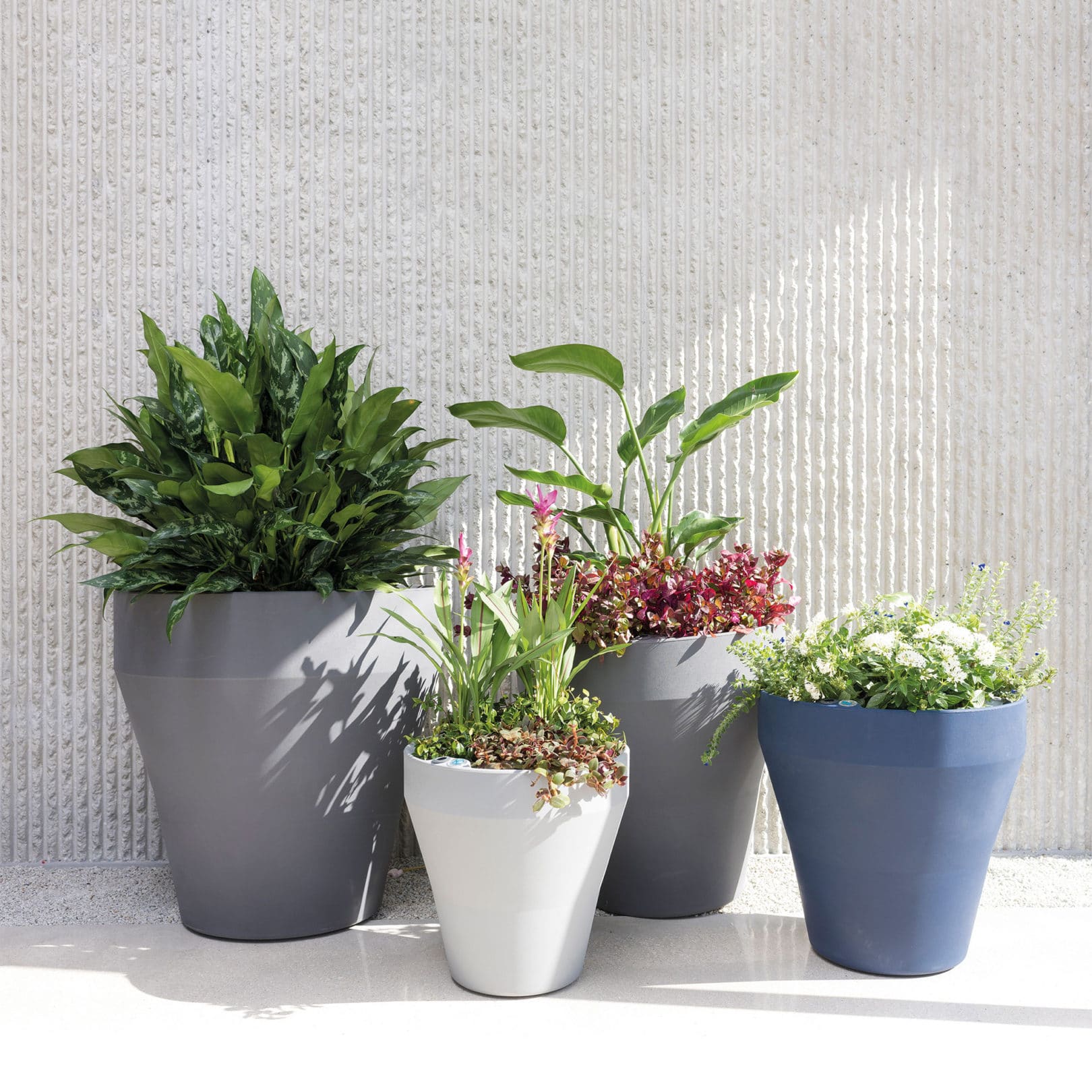
I have to be honest: the TruDrop planters from Crescent Garden have made keeping container plants healthy soooo much easier in my garden! I genuinely love them. In my garden I have a mixture of planters all of which are filled each year with healthy plants. My favorites are:
- Pinch: I have these on my front porch and on the back deck
- Rim: I love the traditional terracotta look with durability
- Pleat: these were the first pots I ever bought from Crescent Garden, and they are still going strong!
While we often see containers stuffed full of non-native plants in magazines and on social media, your container garden can be a powerful tool in supporting our native wildlife, and the birds and the bees will thank you for your efforts!
Happy Gardening!
References
Conservation Organizations
- Xerces Society: Pollinator-Friendly Native Plant Lists
- Xerces Society: Native Bee Conservation Resources
- Homegrown National Park: Keystone Plants by Ecoregion
A Note: Native plant ranges vary across North America. For the greatest ecological benefit, select species native to your local ecoregion and verify their suitability with your state Extension service or native plant society.