As summer begins to wind down, you may be looking at your containers and wondering whether it’s time to pull everything out and start over. But before you empty those pots, consider giving them a refresh instead.
One of our favorite things about seasonal container gardening is that you don’t always have to begin with a completely blank slate. Instead of creating a brand-new design from scratch, you can update your existing summer containers with a few new plants—some of which you may already have growing elsewhere in your garden.
Refreshing your containers can help you extend the gardening season, save money, and create beautiful fall container plantings without replacing every plant. The key is knowing which plants have run their course, which ones are worth keeping, and how to combine new plants with your existing ones.
With the right plants, a little design inspiration, and continued care, your containers can thrive throughout autumn and, depending on your climate, well beyond.
Why Refresh Your Summer Planters Instead of Starting Over?
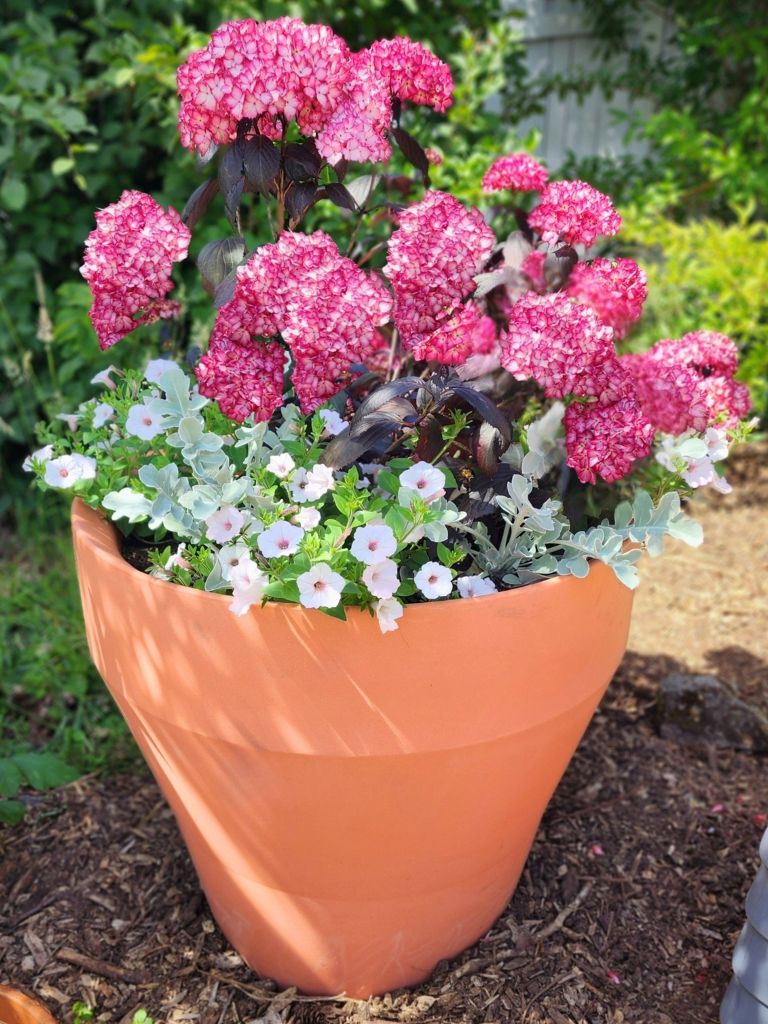
Starting over with an empty container can certainly be fun, but refreshing what you already have offers some great advantages. First, it can save you money. Instead of purchasing enough plants to completely fill every container, you may only need a few new additions to transform the overall look. This is especially helpful with large containers, like one of our favorites the Rim TruDrop Self-Watering planter, where filling an entire planter with new plants can become expensive.
Refreshing your containers can also extend the season for plants that are still performing well. Some summer plants may continue flowering or growing into fall and even winter, depending on where you live and the temperatures in your area. If a plant still looks healthy and is happy with the cooler weather, there’s no reason to remove it just because the calendar says summer is ending.
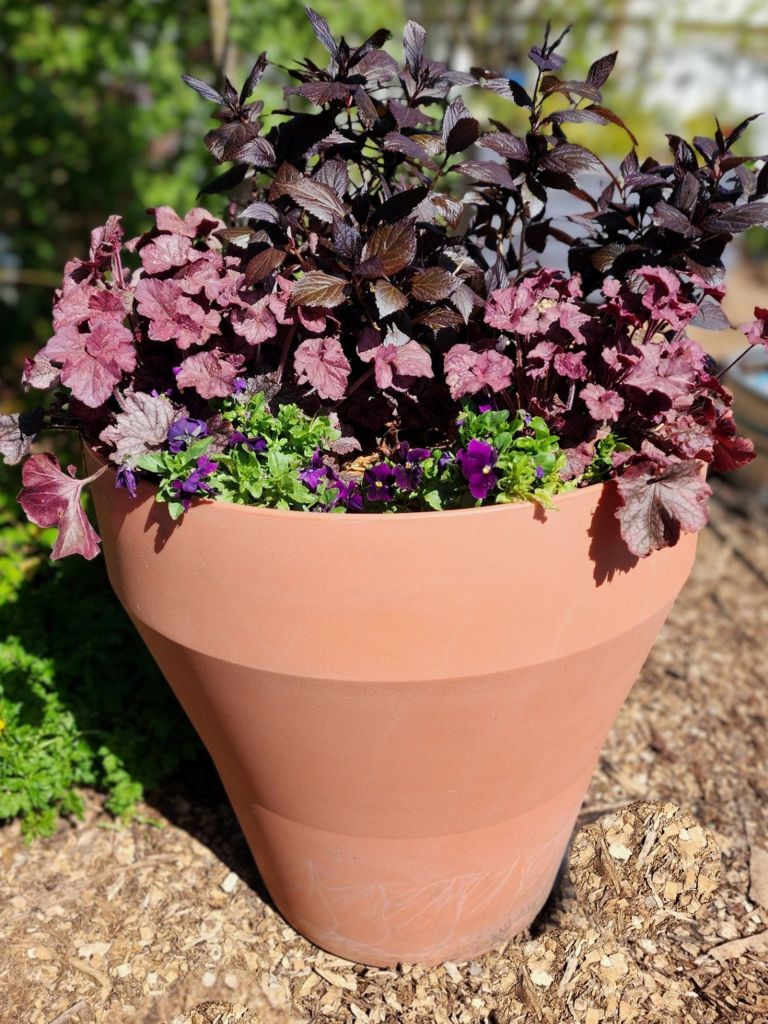
In larger containers, keeping established plants can also give you an immediate head start. Bigger, healthy plants already have a developed root system and provide instant height, fullness, or trailing texture. Sometimes it’s much easier to reinvigorate an existing plant than it is to start over with several smaller plants.
This approach gives you the opportunity to create beautiful fall container planting combinations while still taking advantage of what you’ve already grown.
Which Summer Plants Should You Remove?
The first step in refreshing your containers is taking an honest look at the plants that are currently growing in them. First, remove tired, stretched-out annuals that have clearly run their course. Plants that are slowing down significantly, flowering less, or looking unhealthy may not have much more growing or blooming left in them.
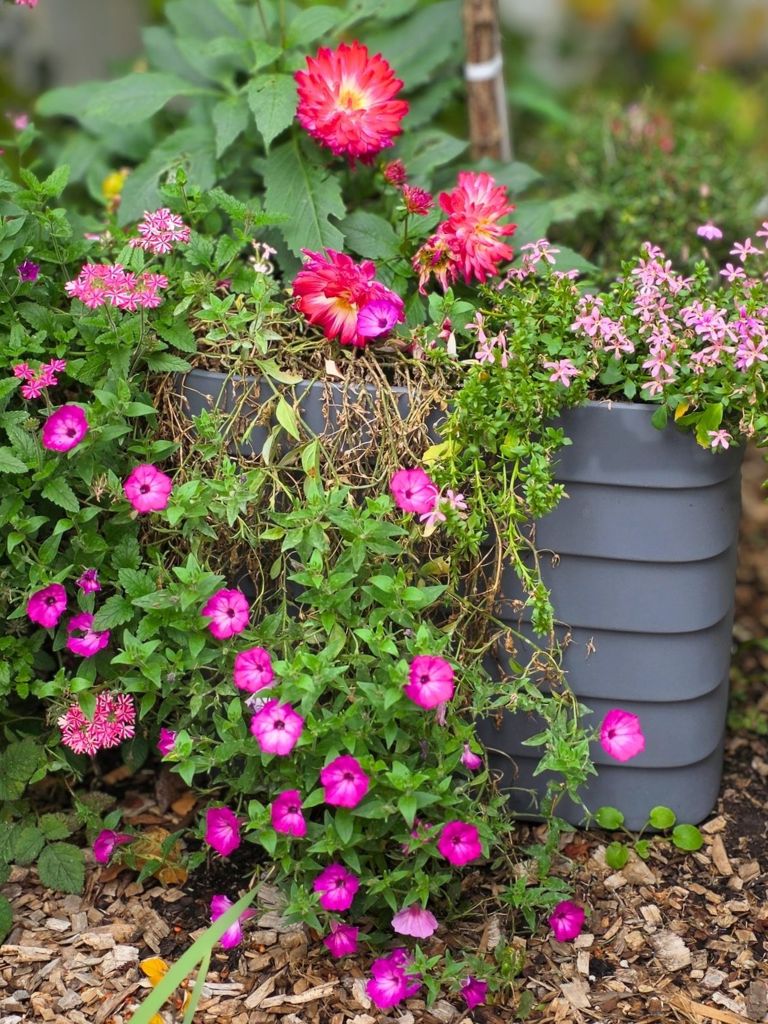
Next, you may also want to remove annuals that don’t perform well once nighttime temperatures are consistently at 50° F or below. Also, remove any plants that are especially prone to problems like powdery mildew later in the season.
Some plants to consider removing may include petunias, zinnias, angelonias, lantanas, impatiens, and petchoas if they are looking tired or struggling. Depending on their condition, marigolds, coleus, and cosmos may also be ready to come out.
Container design is another important consideration. Even if a plant is technically still alive and growing, it may no longer fit the design you have in mind. Remove plants that clash with your new fall color palette or compete too much for space, height, or texture. You can replant them elsewhere. Overgrown plants may also need to be removed simply to make room for your new additions.
How to Remove Plants Without Disturbing Everything Else
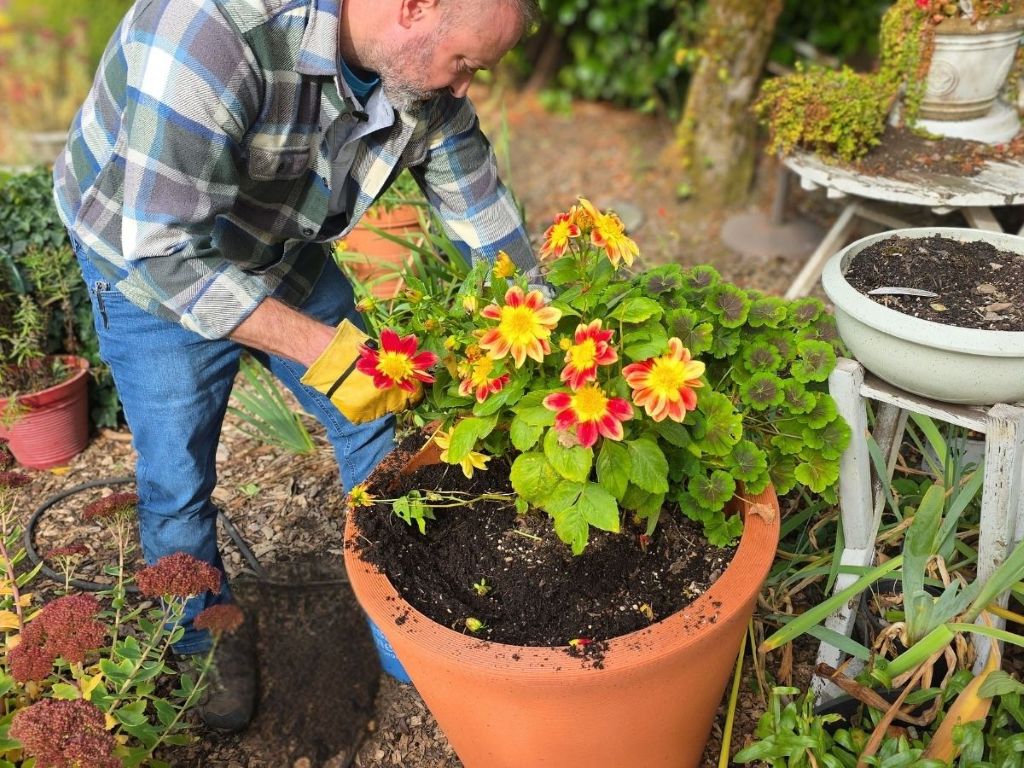
You don’t always have to pull an entire plant straight out of the container. In a dense planting, removing one plant will usually disturb the roots of the nearby plants that you want to keep. You can try to mitigate this by using a hori hori knife tool with a serrated edge to carefully cut around the outside perimeter of that plant’s base. Gently saw through the root system and detach the plant as best you can while minimizing disruption to neighboring roots. Just keep in mind, other plant roots will probably get cut as well but it is worth it for the overall project.
Which Plants Should You Keep for Fall?
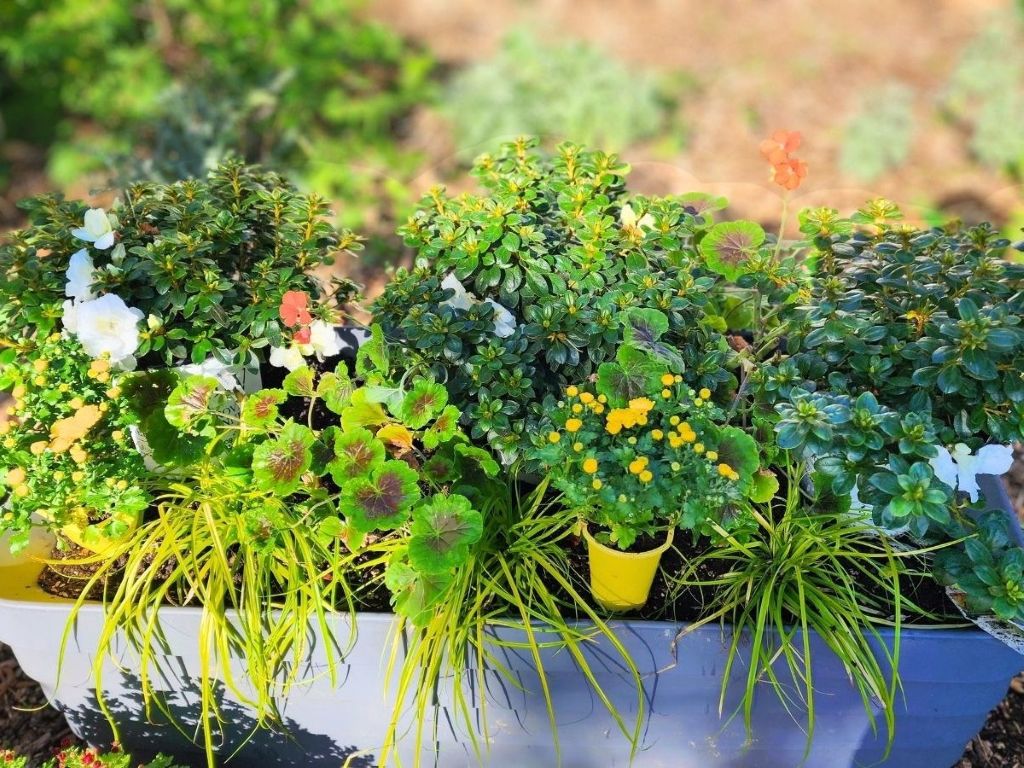
Before removing everything, look for plants that prefer or tolerate cooler weather and are still looking healthy. If you planted perennials in your summer containers as a foundation—something we often like to do—such as hydrangeas, boxwoods, or other evergreens, you may have planned from the beginning for them to stay in place as you transition your containers into fall. These plants will already look full, lush, and provide a great anchor for the rest of your design.
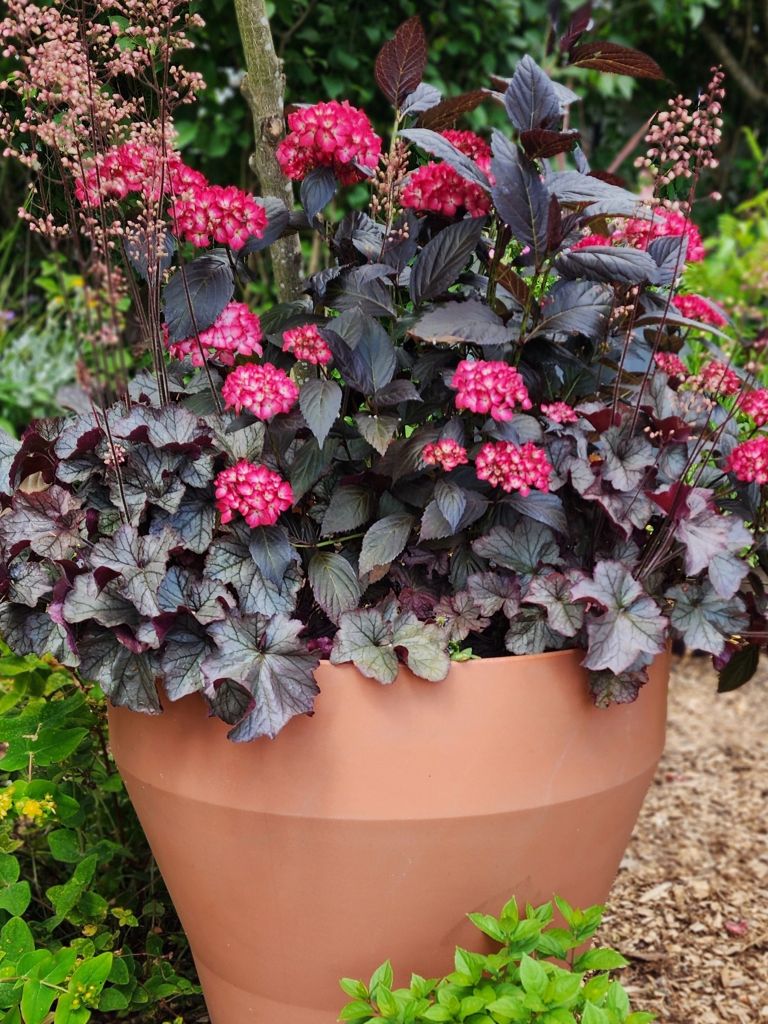
Vining plants can be especially valuable because they provide instant trailing growth in your refreshed design. Ivy, vinca, and creeping jenny are great examples of plants that can continue providing texture and movement as the season changes.
Think of these existing plants as part of the foundation for your new design. By keeping healthy plants that still have seasonal potential, you can create fuller, more established-looking fall flower planters without starting completely from scratch.
How to Refresh Existing Plants for Autumn
Once you’ve removed the plants that are finished for the season, spend a little time refreshing the ones you’re keeping.
For summer flowering plants, start by deadheading spent flowers or trimming back tired growth. Removing old blooms and overgrown stems can encourage a healthier appearance and help the plant direct its energy toward new growth.
You can also prune out dead branches and inner crossing stems. Removing dense growth creates better airflow through the canopy. This can reinvigorate a plant heading into fall while also improving overall plant health.
Next, add a 1- to 2-inch layer of compost into the existing soil and mix it in. Compost adds organic matter and nutrients while helping refresh soil that has supported plants throughout the summer.
Afterward, water the soil thoroughly and continue monitoring moisture levels. One easy way to check is by sticking your finger about 2 inches into the soil. If it feels dry at that depth, your container may be ready for water.
These simple steps can make a big difference before adding your new fall container plants.
Best Fall Plants to Add
There are plenty of beautiful plants that can help transition your containers from summer into autumn. Some of our favorite fall plants for planters include:
- Pansies
- Violas
- Calibrachoa
- African Daisies
- Dianthus
- Heucheras
- Ornamental Kale
- Ornamental Peppers
- Mums
- Strawflowers
- Rudbeckia
- Asters
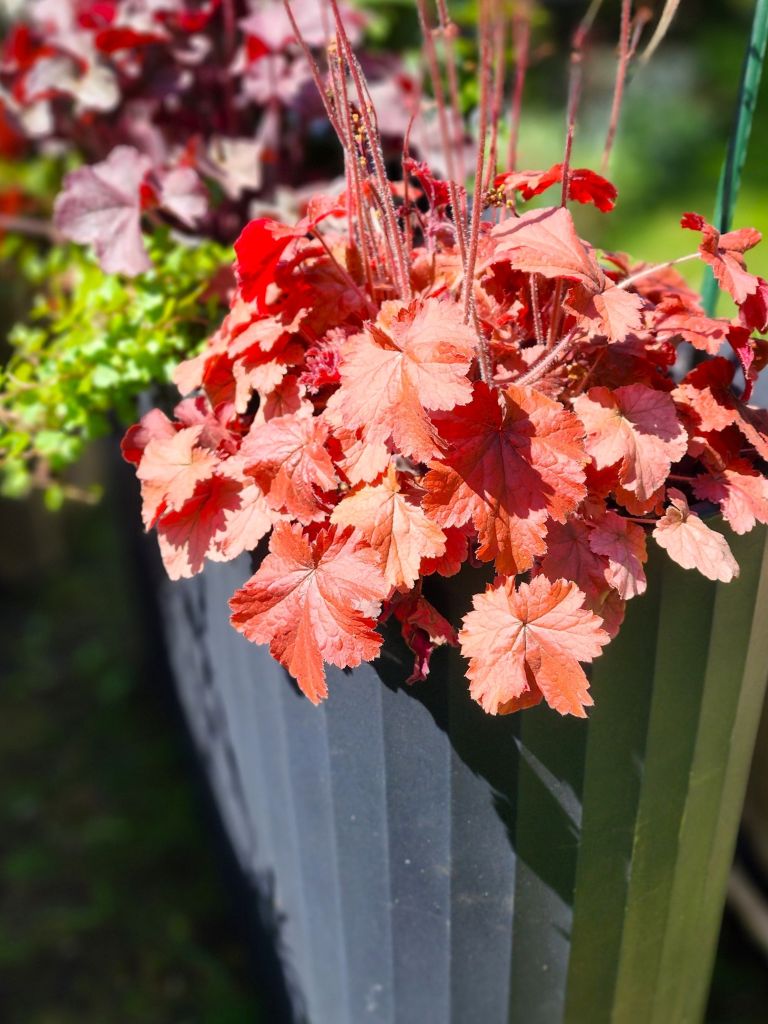
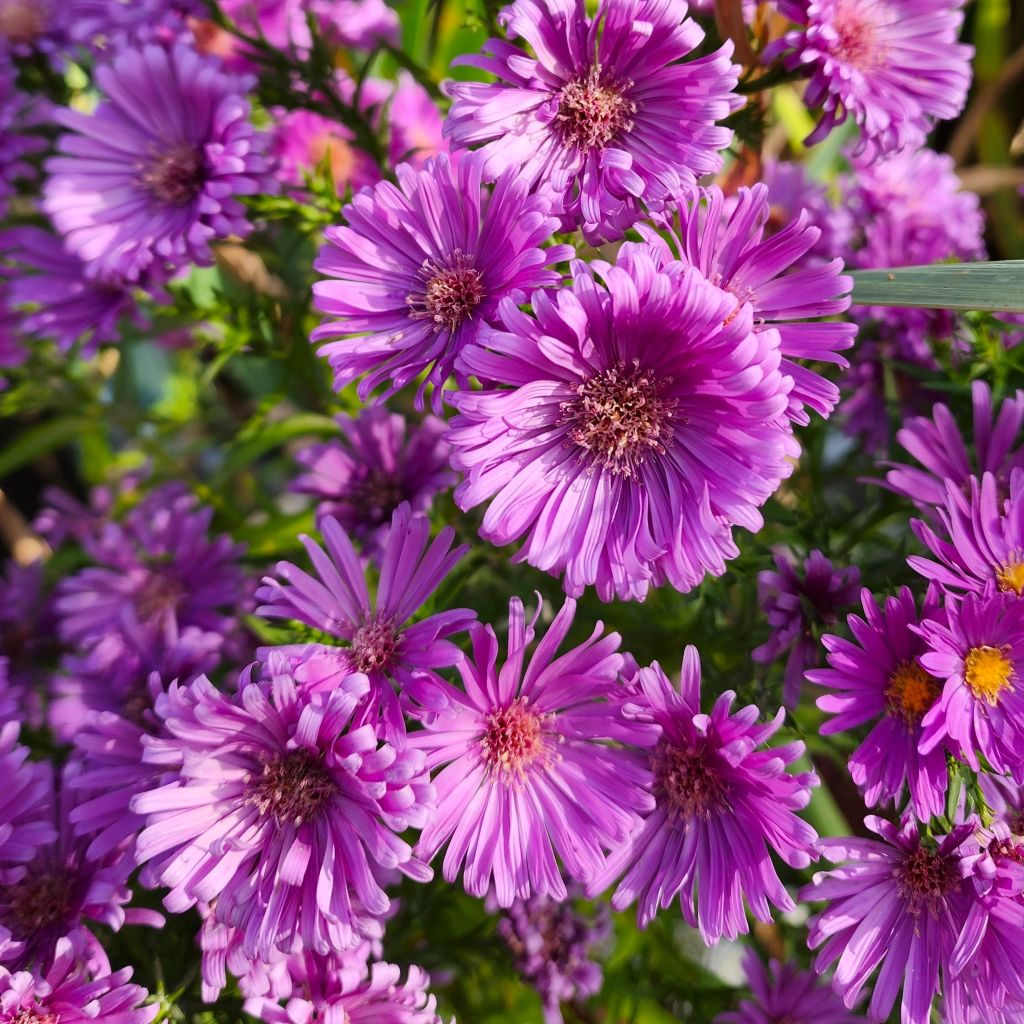
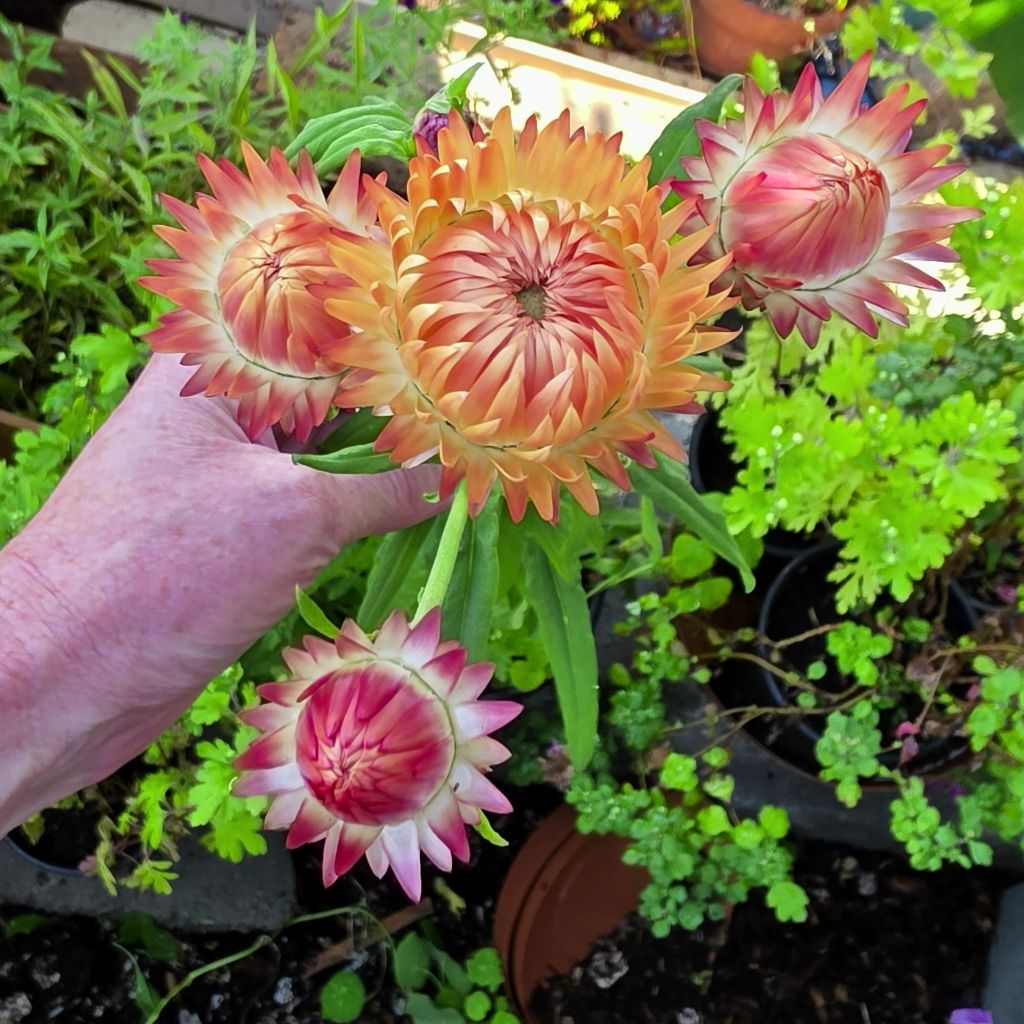
When choosing plants, think beyond flowers alone. Foliage can play a major role in creating long-lasting containers, especially as temperatures cool and flowering may slow down.
Heucheras, dusty millers, ornamental kale, ferns, grasses, and other foliage plants can provide beautiful color and texture for weeks or months. Combining flowers with interesting foliage is one of our favorite ways to create containers with lasting seasonal interest.
When selecting fall flowers for planters, be sure to consider your local temperatures and frost dates. A plant that performs beautifully during fall in one climate may not survive the same conditions somewhere else.
Fall Color Combinations for Stunning Planters
Fall doesn’t have to mean just orange and yellow—although those traditional colors can certainly create a beautiful display. One of the most enjoyable parts of designing seasonal containers is experimenting with color. Here are a few fall color combinations we like to use.
Traditional Fall Colors
For a classic autumn look, combine:
- yellows and golds
- oranges
- reds and crimsons
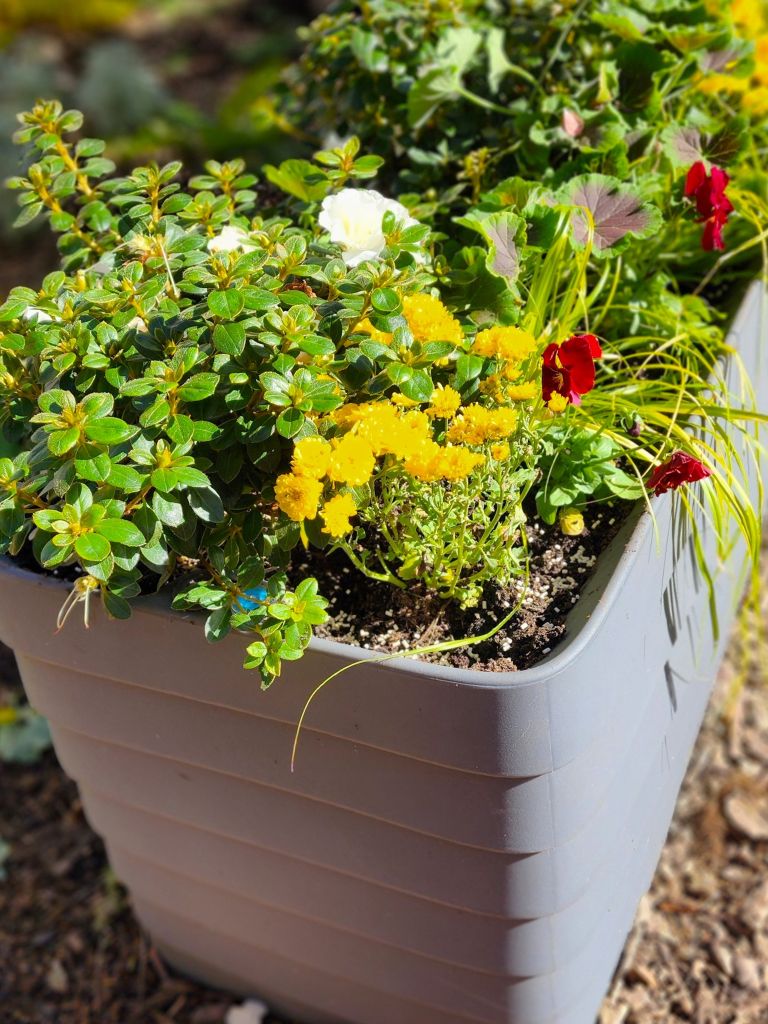
You can use the familiar thriller, filler, and spiller approach when designing your container and pair these colors with beautiful green or yellow foliage plants as accents.
A taller plant can serve as your thriller, while pansies and violas can fill in around the middle of the container. Trailing plants such as ivy or sweet potato vine can spill over the edges and soften the overall design. Or try something unusual and fun like a crimson-colored strawflower.
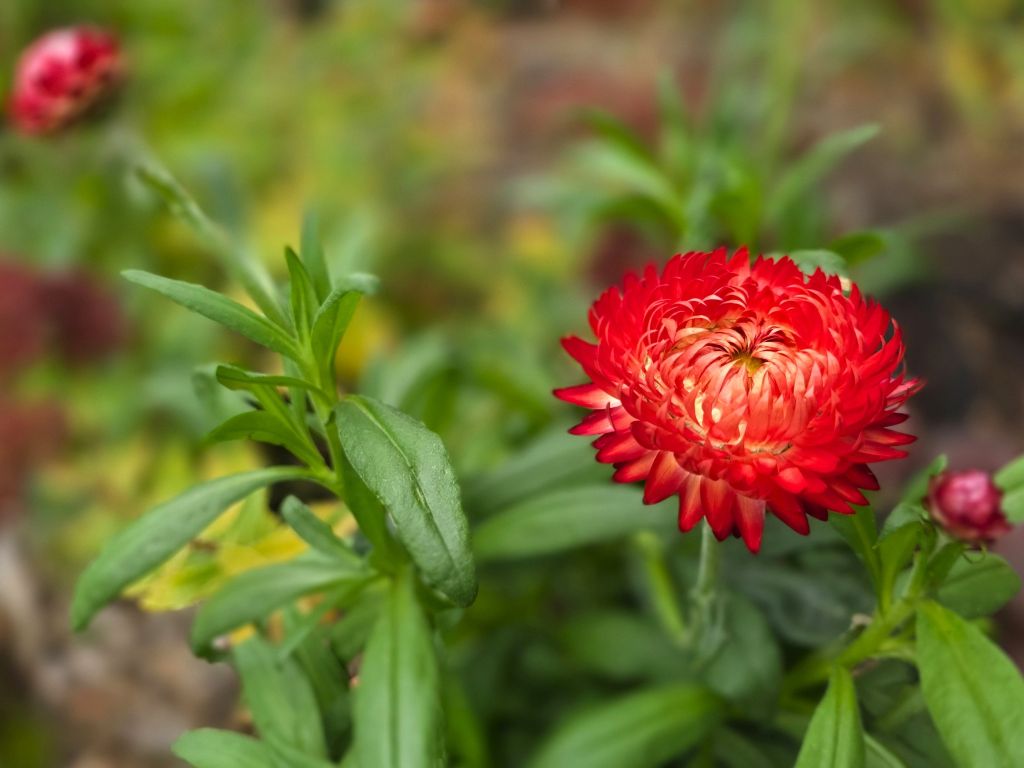
These combinations work beautifully for fall planters for front porch displays, where seasonal color can create a welcoming entrance.
Bright and Non-Traditional Fall Colors
Fall containers don’t have to follow traditional seasonal colors and sometimes we love to have fun mixing it up with colors you wouldn’t normally associate with fall, like pink.
Try combinations featuring deep magenta, cherry red, or pink flowers paired with whites, purples, or lavenders. Light green or silver-colored foliage can provide contrast and brighten the entire planting.
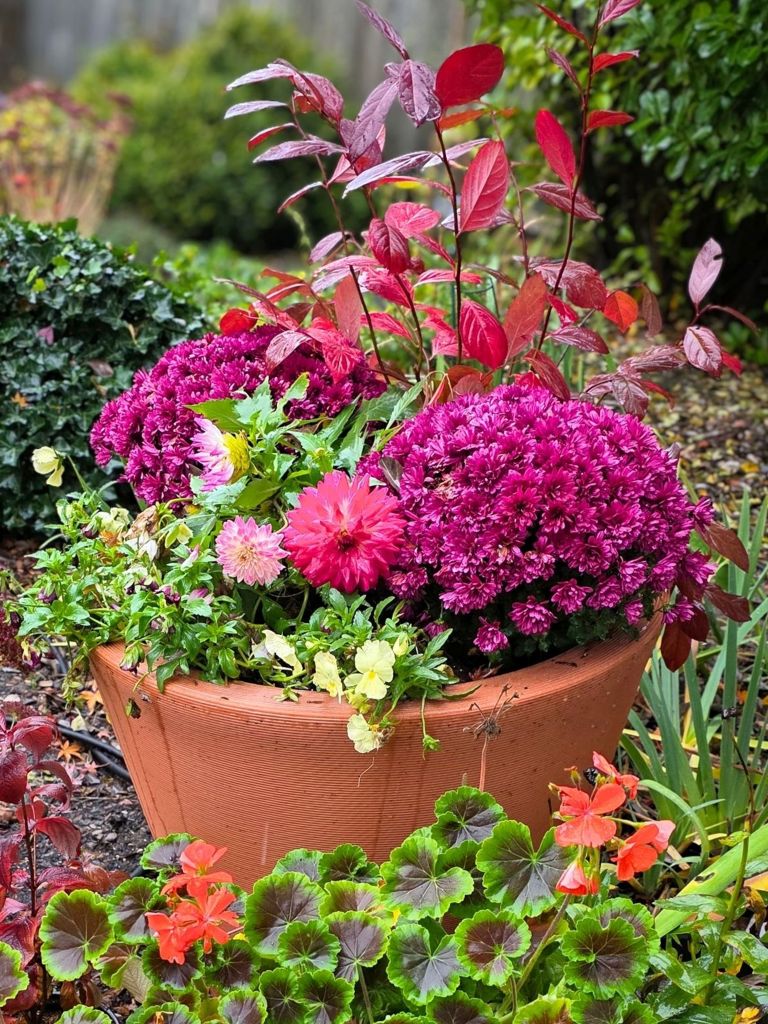
Ornamental grasses, iteas, and weigelas can serve as taller focal points, while mums, calibrachoa, and strawflowers can help fill the middle of the container. Creeping jenny or chartreuse-colored sweet potato vine can provide trailing color around the edges.
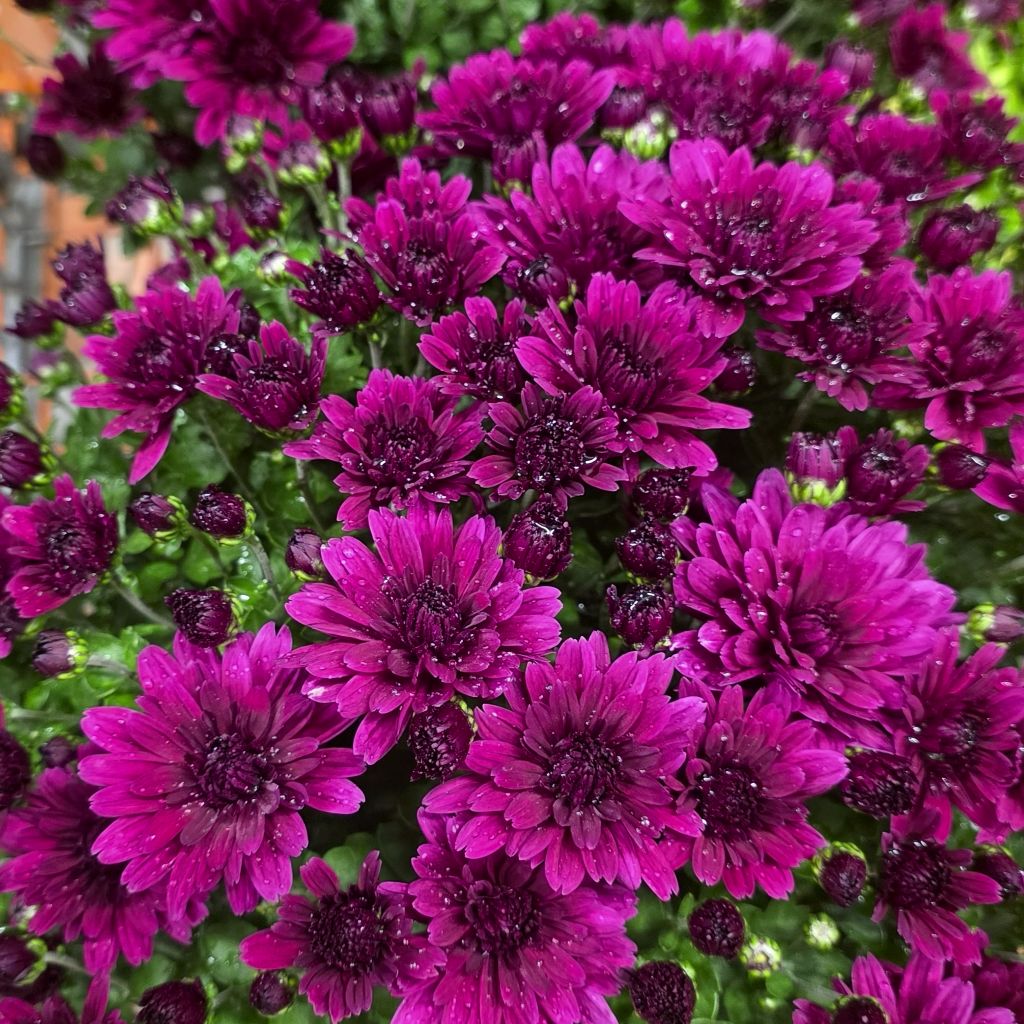
These brighter combinations are great if you’re looking for fresh front porch fall planter ideas that feel seasonal without relying entirely on orange and gold.
Create a Moody Fall Container
For something completely different, consider a darker, moodier planting.
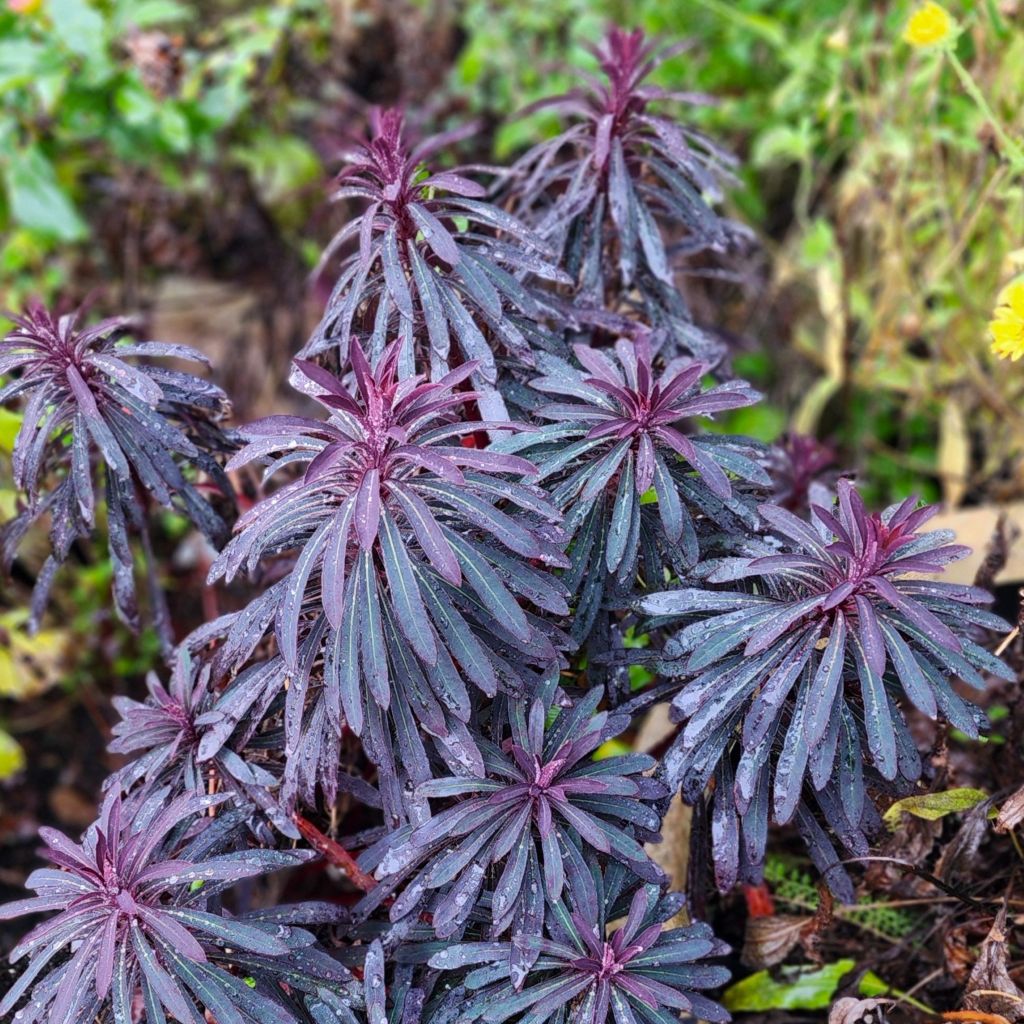
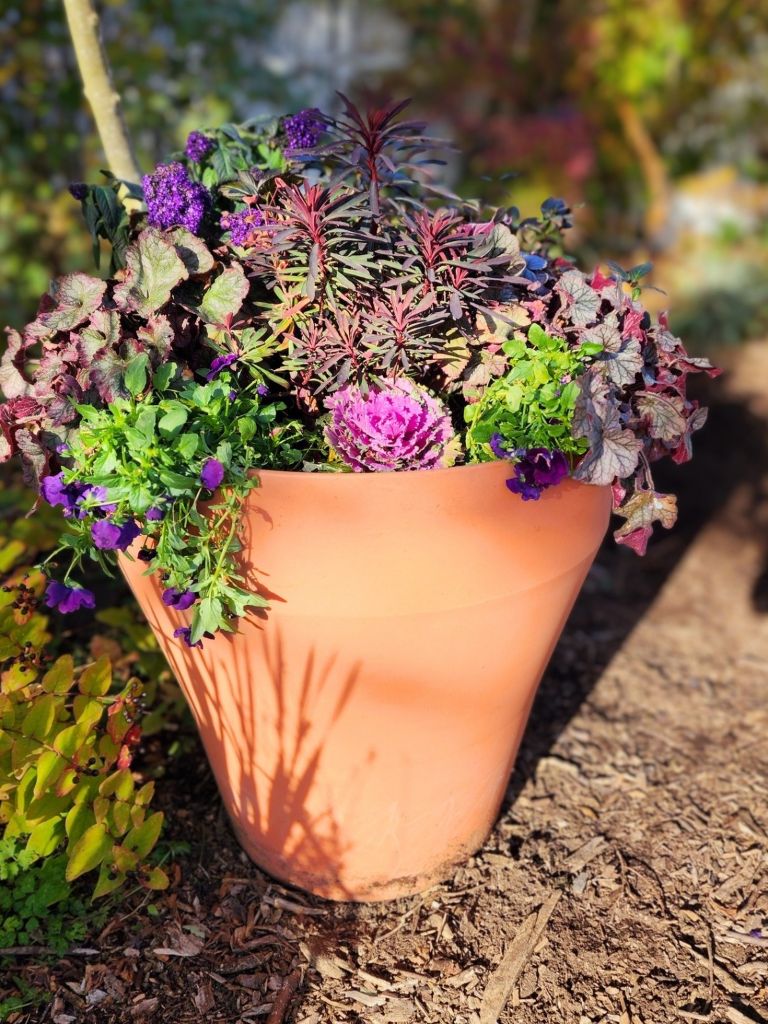
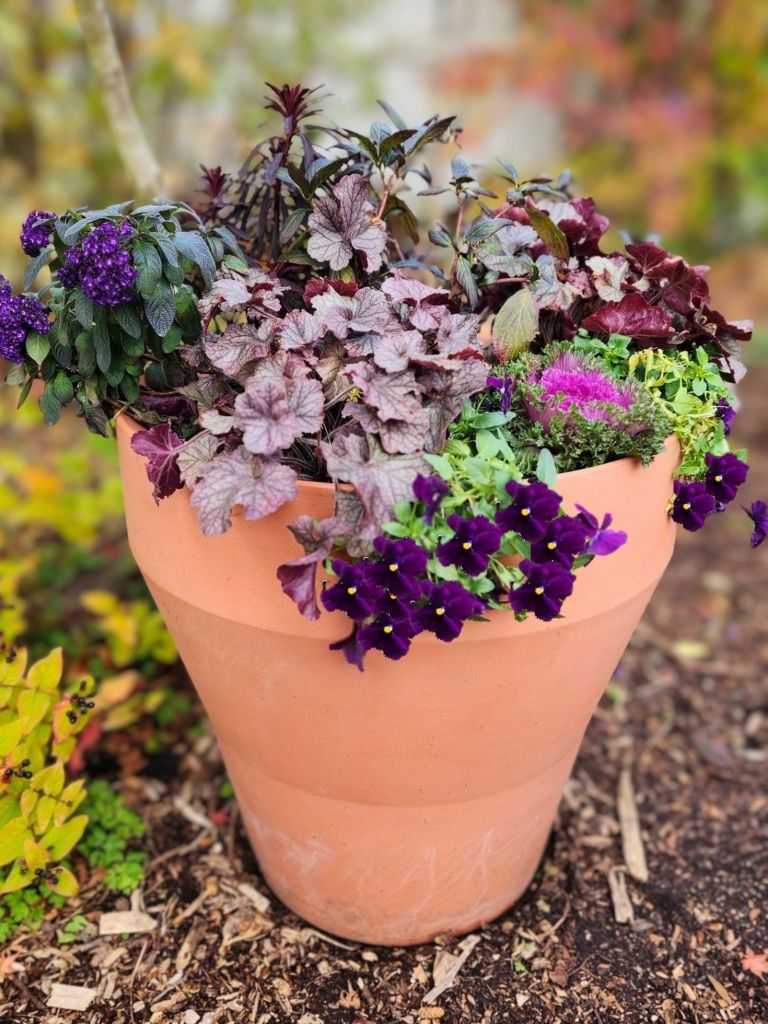
Think deep purples, deep blues, dark foliage, and dramatic flowers. You can soften the darker colors by adding chartreuse or light green foliage and plants with softer, flowing textures, or even planting them in a terracotta-colored planter like the Rim.
The contrast between dark and bright foliage can create a striking container that feels unique and unexpected.
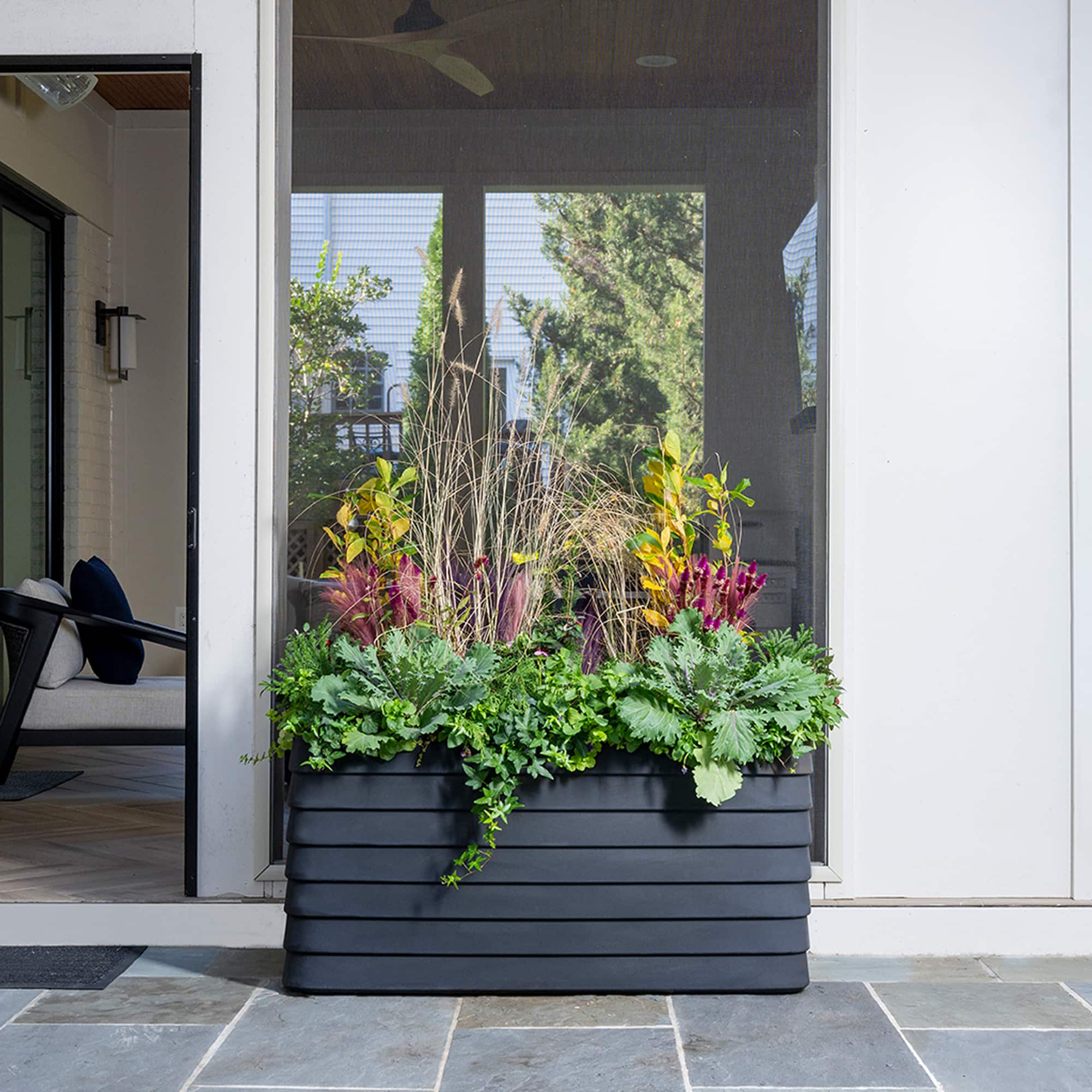
No matter which color palette you choose, don’t forget about texture. Tall, wispy grasses that sway in the wind can add movement to the back of a container. Combine those grasses with softer foliage and trailing plants that spill over the edges, and your planter will have visual interest from top to bottom.
It’s also fun to design with seasonal changes in mind. Consider plants with interesting late-season seed pods, foliage that changes color, or colorful berries that can add another layer of interest as fall progresses.
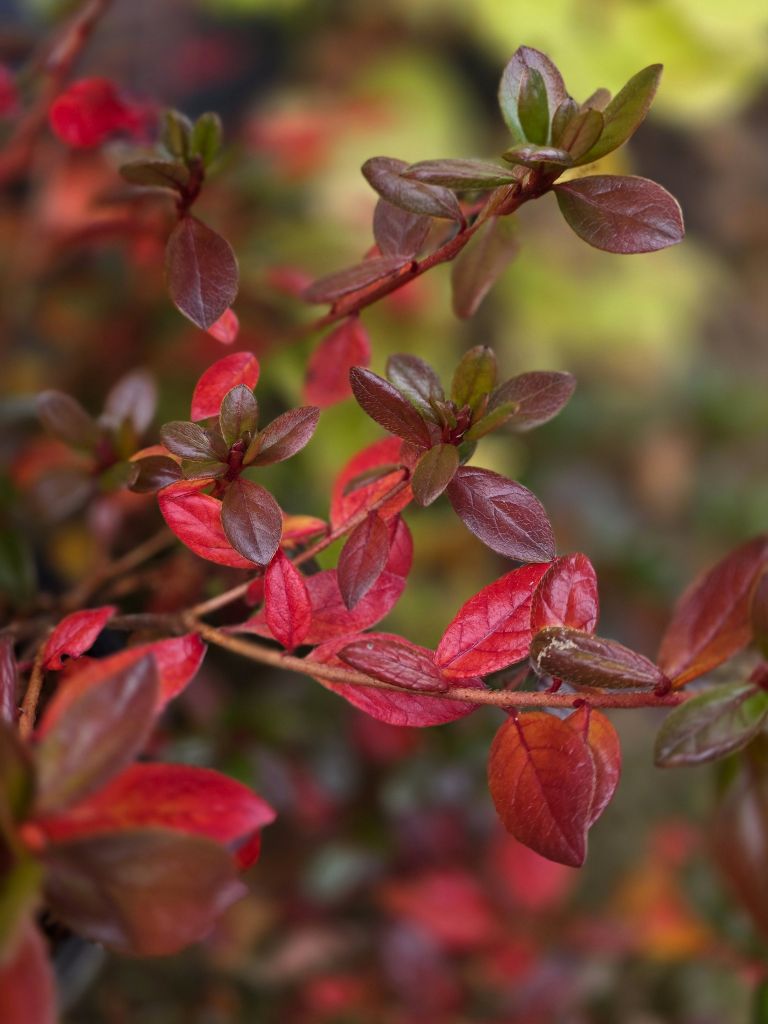
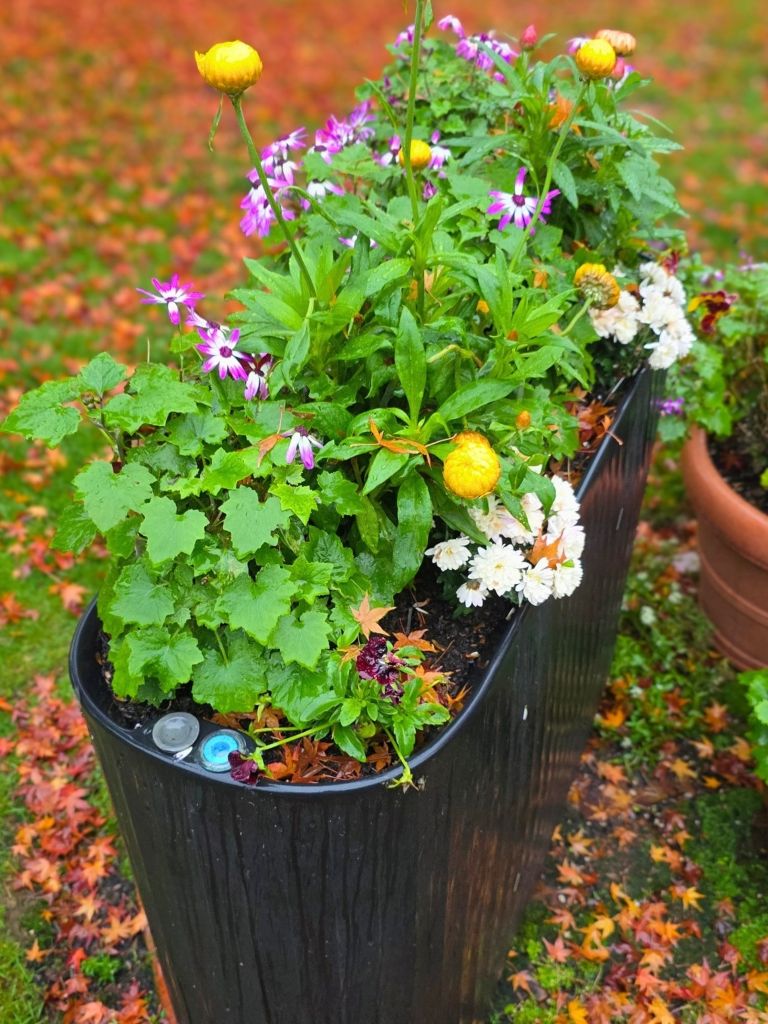
These same principles can be used for everything from individual fall flower pots to larger fall planter box ideas around your home.
Tips for Long-Lasting Fall Planters
Once your containers are planted, continued care – for both the plants and the containers – will help them look their best throughout the season.
Choose Plants for Your Climate: Depending on where you live, make sure the plants in your containers are appropriate for the temperatures and frost conditions in your area. If frost is approaching, choose plants that can tolerate the conditions rather than relying on plants that will quickly decline.
Continue Deadheading: Keep up with regular deadheading when appropriate. Removing spent flowers can help your containers look fresh and tidy while encouraging continued flowering in plants that are still actively blooming.
Watch the Changing Sun: The sun angle changes significantly as fall progresses. A container that received plenty of sunlight during summer may experience different light conditions later in the season. Pay particular attention to containers near buildings, beneath deciduous trees, or underneath overhangs. A small change in sun exposure can affect how quickly the soil dries and how well your plants perform.
Monitor Watering Carefully: Fall watering can be a little tricky, especially when you have a mix of newly planted and well-established plants growing together. Cooler temperatures may mean your containers don’t dry out as quickly as they did during summer, but new plants still need consistent moisture while becoming established. Check your soil regularly to avoid both underwatering and overwatering.
Fertilize Lightly: A low-dose, balanced fertilizer, such as a 3-3-3 or 5-5-5, can help maintain overall plant health and keep your containers looking lush without pushing excessive new growth.
Add Mulch: Adding a 2- to 4-inch layer of mulch over the soil can help insulate plant roots and protect them as temperatures begin to drop. With a little attention to plant selection and care, your fall outdoor planter ideas can continue looking beautiful for months.
Care for Your Containers: All Crescent Garden containers can stay outside over winter due to their strong, durable design. However, if you planted in any of the TruDrop Self-Watering planters, like the Slat, Mod, or Rim, they need to be fully drained before winter. Make sure to empty the water reservoir and remove the water gauge before any freezing temperatures hit your area.
Refresh Your Containers and Enjoy the Fall Season
Refreshing your existing summer containers is a simple way to extend the gardening season without starting from scratch. Remove plants that have finished for the year, keep the ones that still have plenty of life left, refresh your soil and existing plants, and then add new flowers and foliage that thrive in cooler conditions.
Whether you’re creating colorful fall plants for containers for a patio, designing a welcoming front entry, or looking for ways to update larger fall planters around your garden, mixing existing plants with a few carefully selected additions can create a beautiful seasonal display.
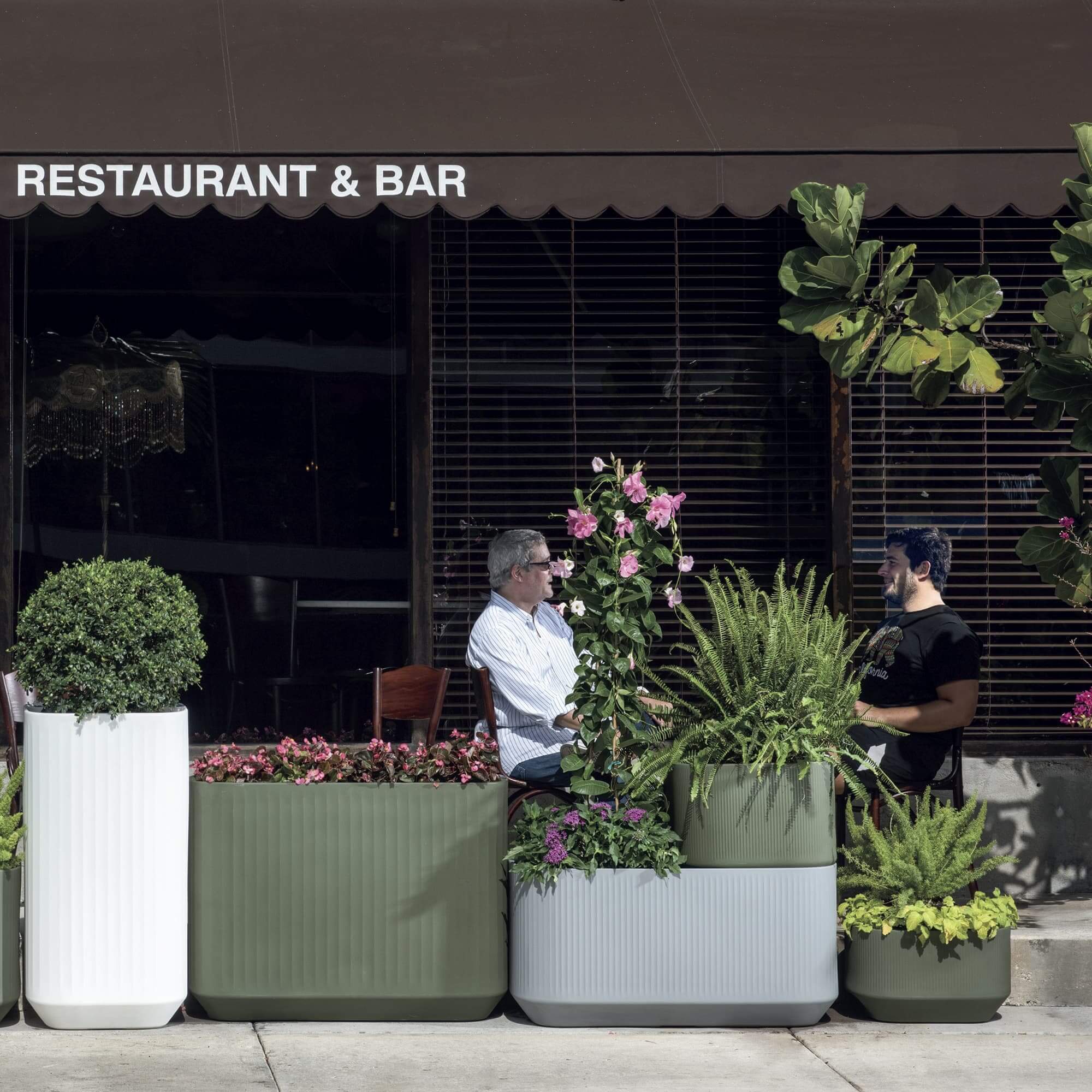
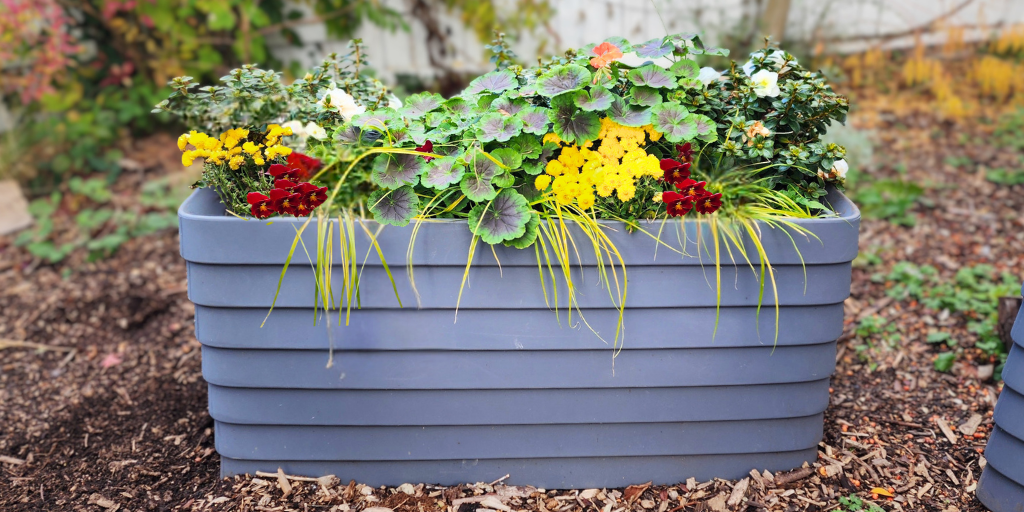
And, of course, starting with a high-quality planter from Crescent Garden, like a Madison, Brunello, or Slat Rectangular TruDrop Self-Watering Planter, makes it easier to enjoy your container garden season after season. A durable, thoughtfully designed planter gives your plants room to grow and provides a beautiful foundation for whatever combination of flowers, foliage, grasses, and trailing plants you decide to try next.
Fall is a wonderful time to experiment, refresh, and enjoy a whole new season of container gardening—and sometimes all it takes is a few changes to transform what you already have into something completely new.