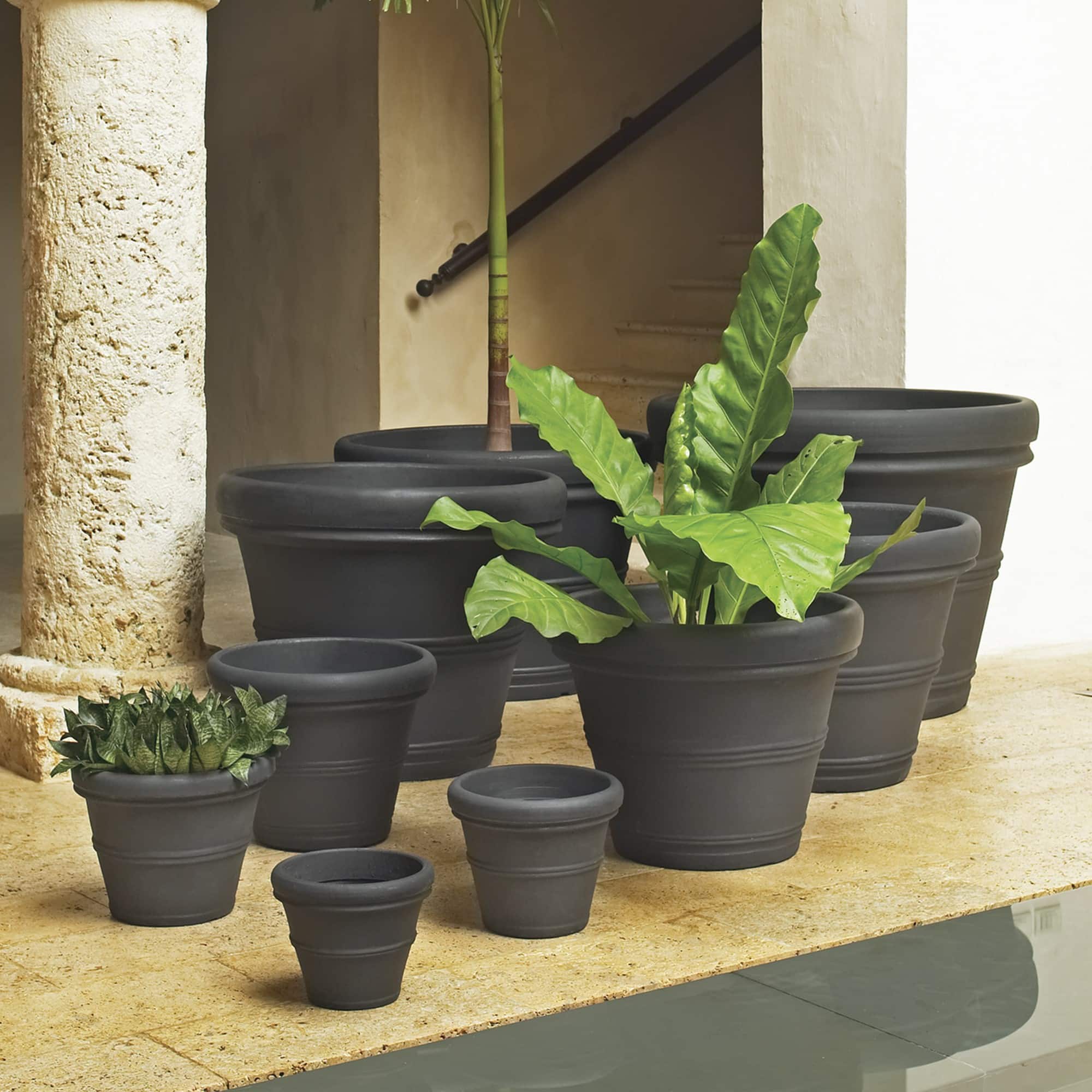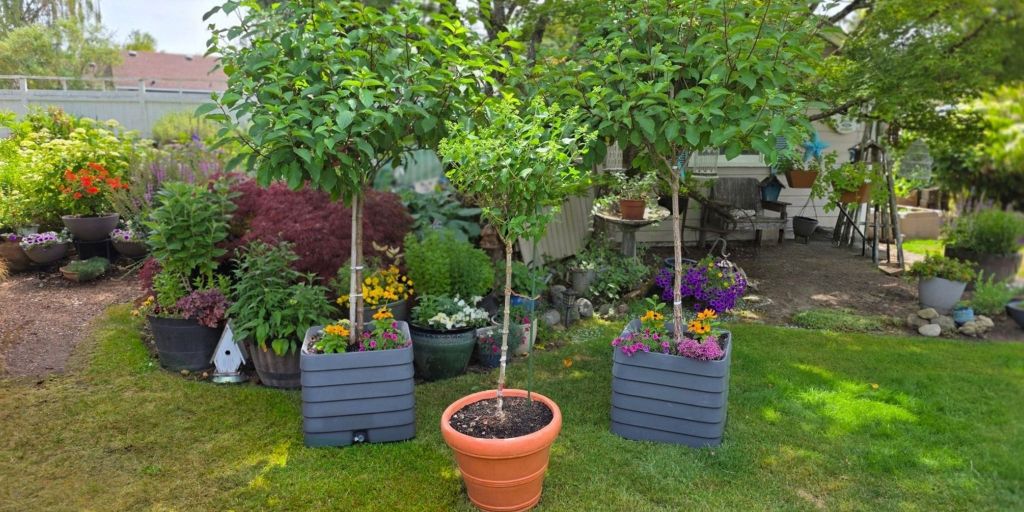
There’s something so elegant about a flowering hydrangea tree in a beautiful container. Whether it’s framing your front entry, anchoring a patio seating area, or creating a colorful focal point on a deck, few plants make as dramatic a statement throughout the growing season. The good news? They’re much easier to grow than they look. With the right container, proper placement, and a few simple care tips, your hydrangea can thrive for years and become one of the standout plants in your garden.
Why Grow Hydrangeas in Containers?

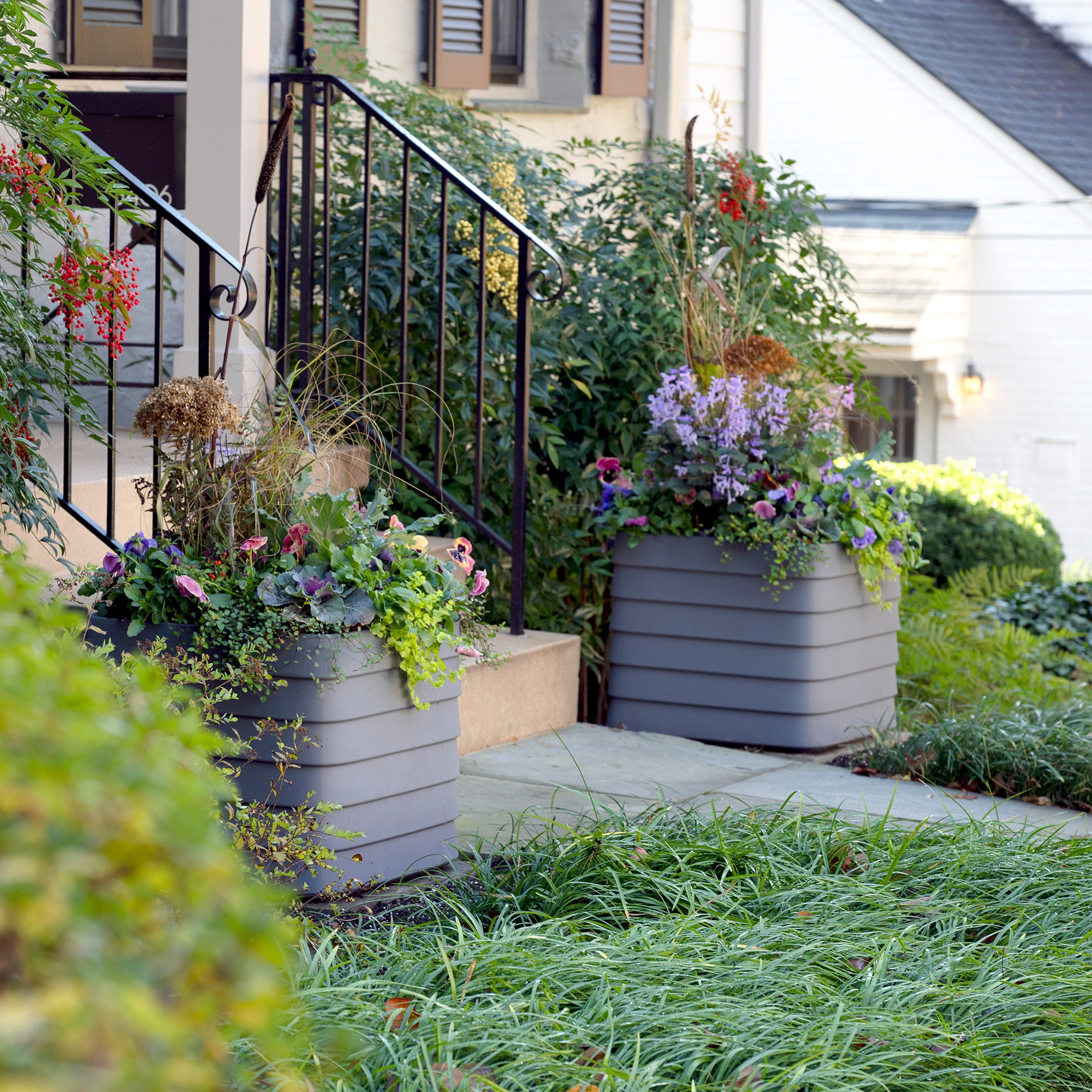
Growing hydrangea trees in containers offers both practical and design benefits. Large decorative planters instantly add height, color, and structure to patios, porches, and outdoor living spaces, and one of our favorite things about container gardening is that you can easily move plants around until you find the perfect spot. Position matching containers on either side of an entryway, create a stunning patio centerpiece, or use them to draw attention to a favorite seating area or garden feature. Containers also provide greater control over growing conditions. You can choose the ideal soil mix, closely monitor watering, and easily move your tree if it needs protection from extreme weather or excessive afternoon sun. For gardeners who are still learning the best location in their landscape, containers provide the freedom to experiment before committing to permanent planting.
What Hydrangea Trees Need to Thrive
If you’re new to growing hydrangeas in pots, don’t overthink it. Start with a quality container, give your plant the right amount of light and moisture, and let it settle in. You might be surprised by just how easy and rewarding it can be to grow one successfully. Most hydrangeas perform best with:
- Morning sun and afternoon shade, or partial sun
- Rich, well-draining soil
- Consistent moisture
- Moderate temperatures around the root system
- Regular feeding during the growing season
One thing we’ve learned over the years is that healthy hydrangeas start with healthy roots. While gardeners often focus on sunlight and fertilizer, keeping the root zone consistently cool and evenly moist can make an enormous difference in how your plant performs throughout the season. Hydrangeas naturally prefer cool, evenly moist soil. When roots repeatedly heat up during hot afternoons and struggle through drying cycles, plants become stressed, bloom production suffers, and foliage may wilt or scorch. In traditional landscapes, mature trees often provide afternoon shade that naturally keeps surrounding soil cooler. In containers, selecting the right planter can help you manage those favorable growing conditions.
Choosing the Right Container for Your Potted Hydrangea
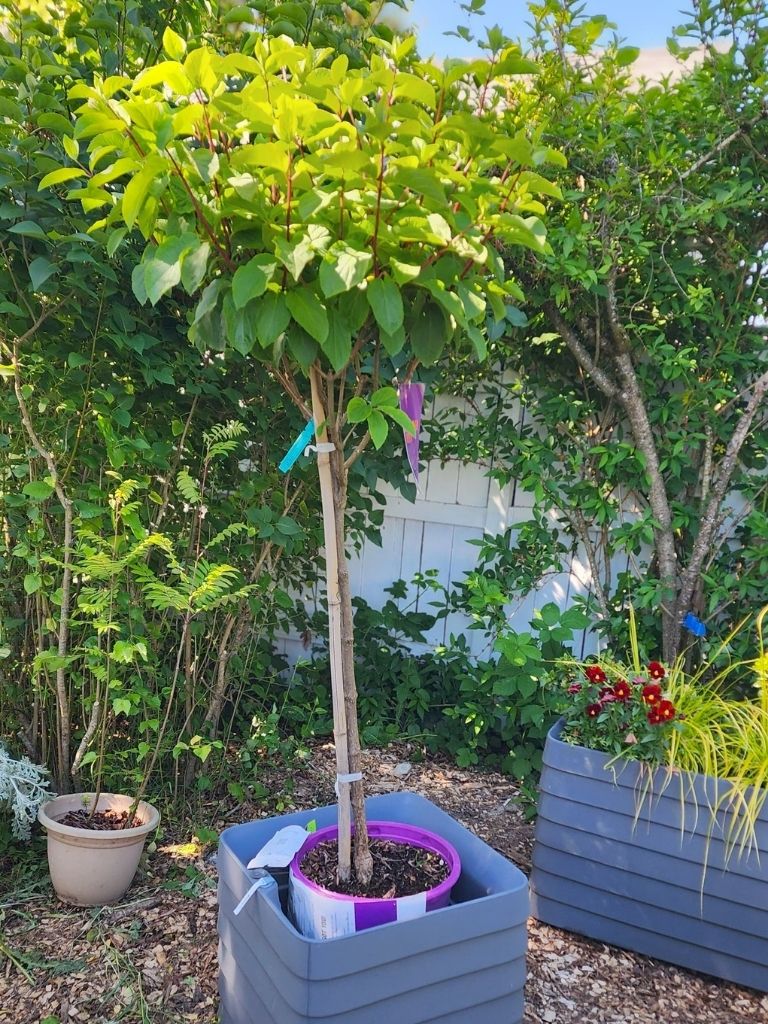
Container selection plays a major role in long-term success. First, choose a planter that provides enough room for healthy root development without overwhelming the plant. Adequate depth and width allow roots to establish comfortably while supporting the mature canopy.
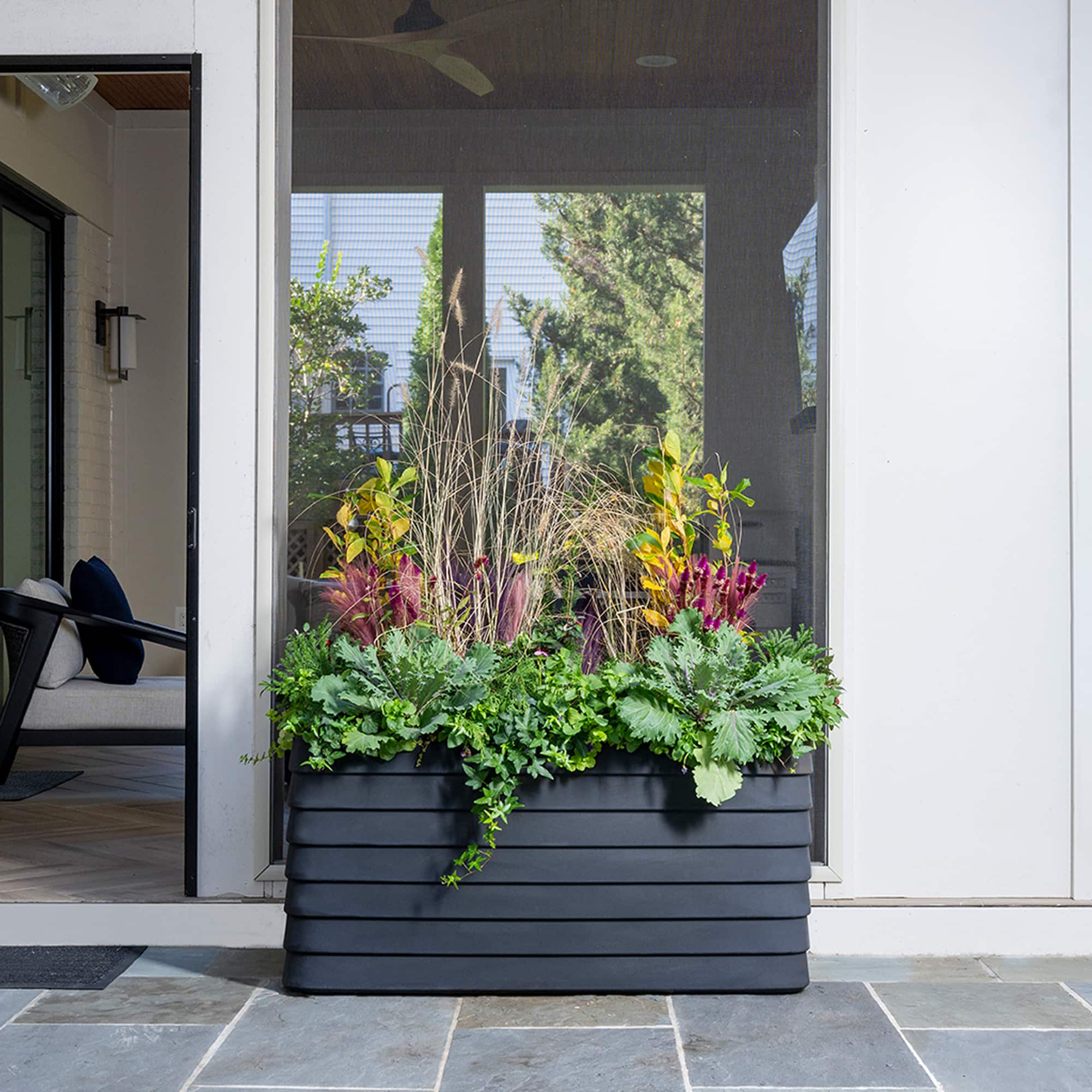
As mentioned earlier, hydrangeas prefer consistently cooler temperatures around their roots. Single-walled containers, like Crescent Garden’s Pleat or Brunello, are excellent choices for growing hydrangeas and perform especially well when placed in locations with some protection from intense afternoon sun. Like most single-walled planters, they allow soil temperatures to respond more directly to surrounding conditions, so thoughtful placement can help create the more favorable environment for root growth.
For gardeners looking for additional temperature moderation, double-walled planters such as Crescent Garden’s Madison, one of our favorite styles, provide an insulating layer that helps buffer soil from rapid temperature fluctuations. This added insulation can reduce root stress during periods of extreme heat or cold.
Crescent Garden’s TruDrop Self-Watering containers also offer these insulating benefits while helping maintain more consistent soil moisture. We grow many of our hydrangeas in these self-watering planters because they provide a steady water supply to the root zone, reducing cycles of drying and rewetting while supporting healthy growth and lowering maintenance for busy gardeners.
Overall, choose a container that fits both your style and your gardening needs. After all, your planter should be just as beautiful as the blooms it holds. Whether your style is sleek and modern or classic and timeless, selecting a container you’ll enjoy seeing every day makes your hydrangea even more of a focal point.
Planting Your Hydrangea in Pots
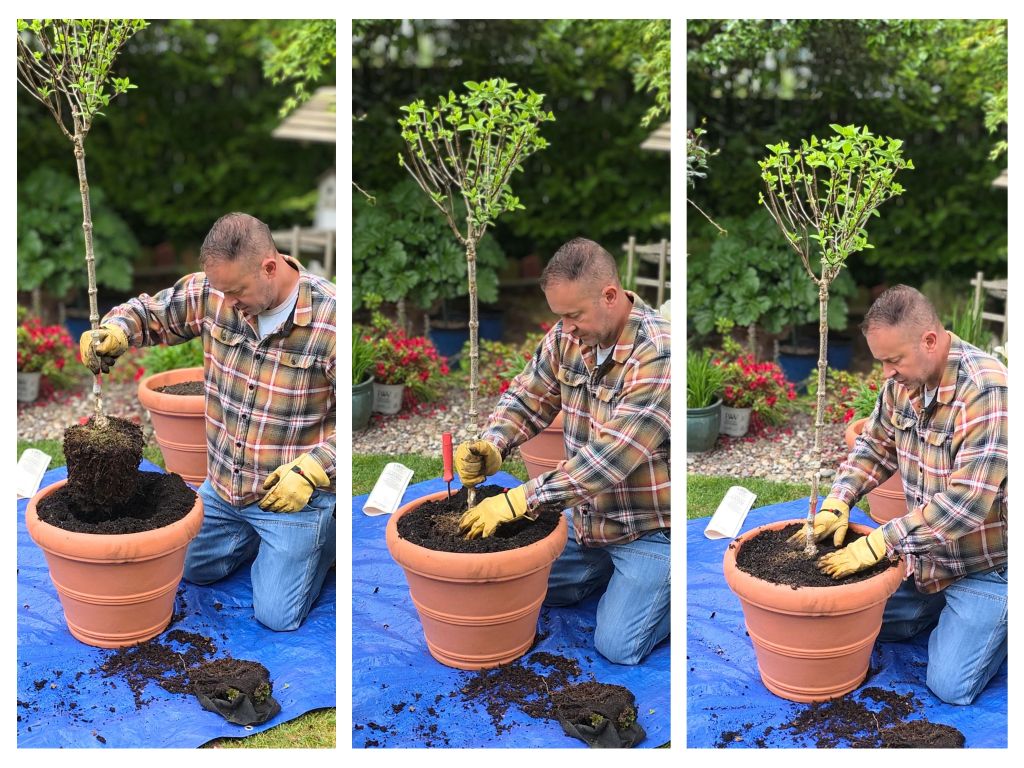
When you’re ready to plant your new hydrangea, start with a high-quality, well-draining potting mix enriched with organic matter. Position the root ball so it sits at the same depth it was growing in its nursery container. Fill around the roots, gently firm the soil, and water thoroughly to eliminate air pockets. Apply a layer of mulch across the soil surface to help conserve moisture and moderate soil temperatures while keeping mulch slightly away from the trunk itself. After planting, monitor moisture closely, especially during the first year or two while your plant becomes established and settles into its new home.
6 Mistakes to Avoid When Growing Hydrangeas in Containers
Fortunately, hydrangeas are surprisingly forgiving once you understand what they need. Here are six common mistakes we see, and how to avoid them.
- Planting your tree in a container that’s too small: Hydrangea trees need enough room to establish a healthy root system and support vigorous top growth. Starting with an appropriately sized container reduces stress and minimizes the need for frequent repotting.
- Letting the soil dry out completely (especially during the first year of growth): Unlike some drought-tolerant shrubs, hydrangeas perform best with consistently moist soil. Repeated cycles of drying out can lead to wilting, leaf scorch, and fewer flowers.
- Placing the container in hot afternoon sun: Morning sunshine is wonderful, but intense afternoon heat can quickly warm container soil and stress roots. Whenever possible, position your hydrangea where it receives afternoon shade during the hottest part of the day.
- Forgetting that root temperature matters: One of the biggest hidden stresses for container-grown hydrangeas is overheated roots. Containers that help regulate soil temperatures and maintain more consistent moisture, such as TruDrop Self-Watering, Madison, or any of the other double-walled containers, can make a significant difference in long-term plant health, especially during the heat of summer.
- Pruning at the wrong time of year: Heavy pruning at the wrong time of year can remove this season’s or next season’s flower buds. Always check the pruning requirements for your specific variety before making major cuts.
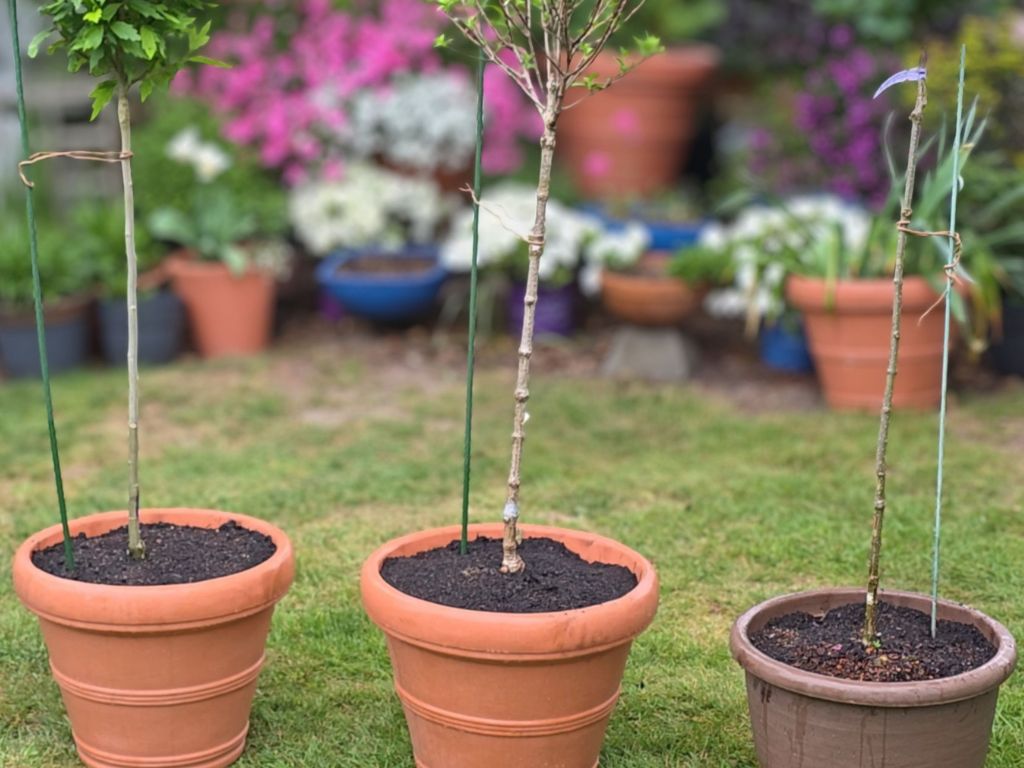
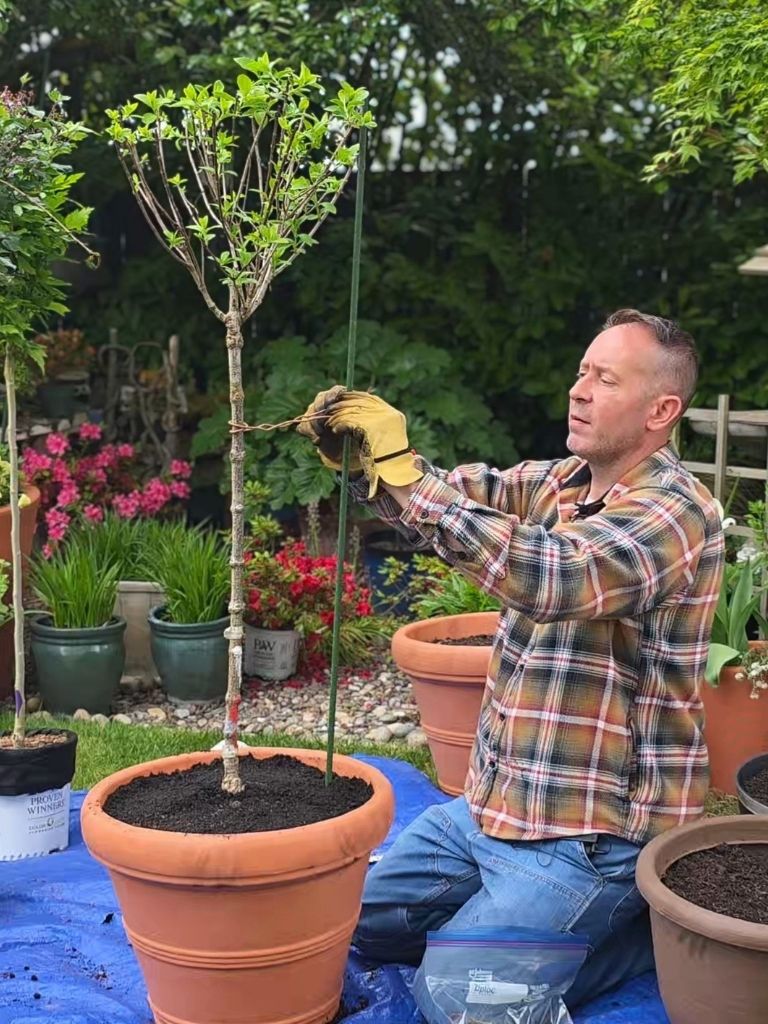
- Don’t skip the staking: Your newly planted hydrangea tree has a trunk that could be vulnerable to winds, weather, and other elements during its first 1-2 years of life. Make sure to support the trunk with a stake and flexible ties.
Seasonal Hydrangea Care
Spring
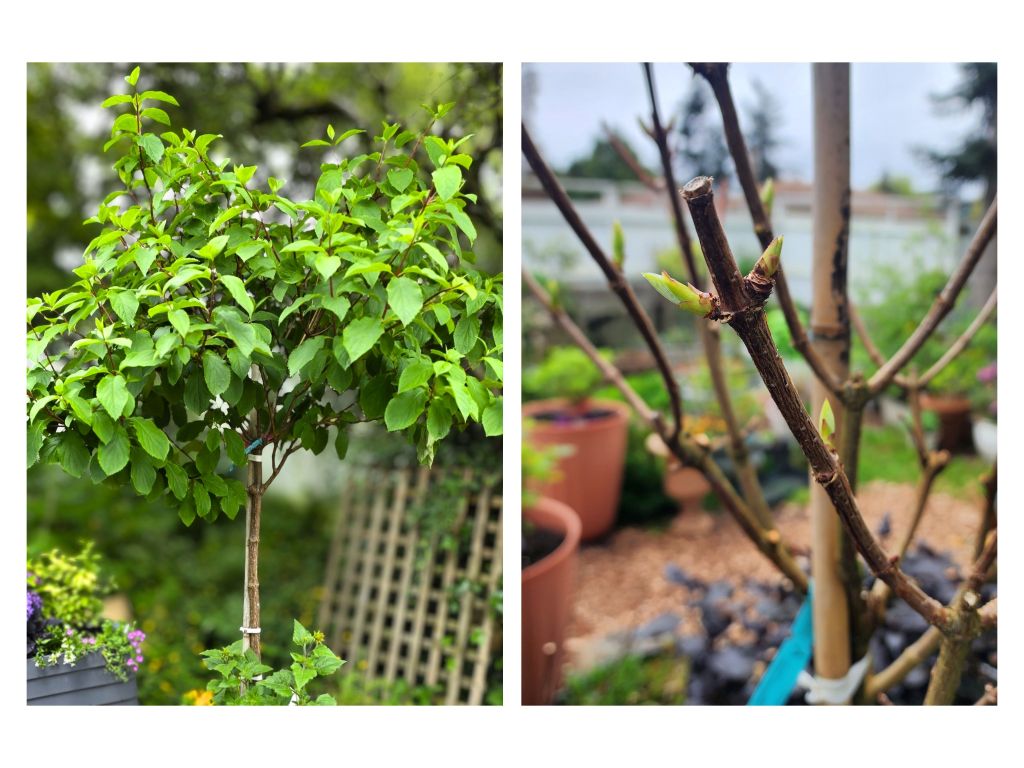
Spring is the perfect time to plant or refresh your hydrangea tree. Inspect for winter damage, lightly prune if appropriate for your variety, replenish mulch, and begin regular fertilizing with a balanced slow-release fertilizer. As temperatures warm, monitor moisture carefully while new growth develops.
Summer
Summer is when consistent watering becomes especially important. Provide morning sun with afternoon shade whenever possible, particularly in warmer climates. Keep soil evenly moist and avoid allowing containers to dry completely. Self-watering planters can significantly reduce stress during periods of high heat. During periods of prolonged heat, check soil moisture more frequently and don’t be surprised if your hydrangea needs a little extra attention. Healthy, evenly moist roots are one of the biggest secrets to keeping your plant looking its best through the hottest months of the year. Continue deadheading if appropriate for your variety and enjoy the spectacular blooms throughout the season.
Fall
As temperatures cool, gradually reduce fertilizing and continue watering as needed. Fall is also an excellent time to inspect overall plant health, remove damaged branches, and prepare your container for winter weather.
In colder climates, moving containers into a more protected location can help reduce freeze-thaw stress around the roots.
Winter
Although dormant, hydrangeas in pots still benefit from occasional moisture if conditions become dry. Protect exposed containers from severe freezing temperatures when possible, particularly in regions with prolonged winter cold. Double-walled containers can provide additional insulation for root systems during seasonal temperature swings. Avoid heavy pruning until the proper season for your particular hydrangea variety.
Beautiful Companion Plantings for Potted Hydrangeas
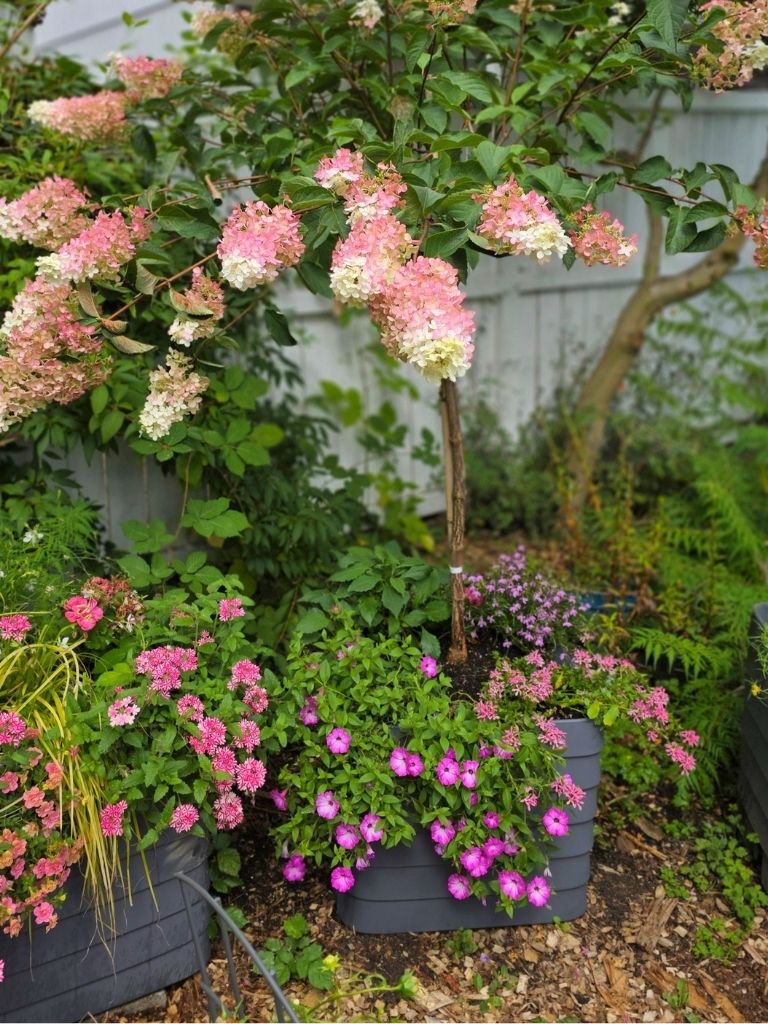
Hydrangeas don’t have to stand alone. Underplanting with flowering annuals or part shade-loving perennials can create a layered, professionally designed look while complementing your hydrangea’s lush blooms and extending seasonal interest around the base of the container. Consider companions with shallow roots, such as:
- Alyssum
- Begonias
- Calibrachoas
- Petunias
- Lobelia
- Impatiens
- Creeping Jenny
- Sweet potato vine
Choose plants with similar moisture and light requirements to create a healthy, cohesive container display.
Final Thoughts
Whether you’re welcoming guests at your front door, brightening up a patio, or creating a colorful focal point on your deck, a container-grown hydrangea tree can bring beauty to your outdoor space for years to come. Give it the right growing conditions, keep its roots happy and cool, and you’ll be rewarded with season after season of spectacular blooms. And with thoughtful planning, and a great container, you’ll spend less time worrying about maintenance and more time simply enjoying one of the garden’s most beautiful ornamental trees.